The first hours after a restoration involve more than waiting for numbness to fade: what you eat, how you protect the tooth, and whether the bite feels balanced all affect recovery. By following the right cleaning routine, recognising warning signs, and arranging appropriate reviews, you can protect the restoration without overlooking a deeper problem.
Key takeaways
- Wait until numbness ends before eating or drinking hot liquids.
- Contact your dentist for worsening pain, swelling, or a loose restoration.
- Brush normally and clean carefully around the restored tooth.
- Attend follow-up visits to check your bite and restoration.
What to do during the first 24 hours after treatment
Do not chew until normal feeling returns. Local anaesthetic commonly leaves your lip, cheek, or tongue numb for several hours, making accidental bites and burns more likely than restoration damage. Avoid very hot drinks, hard foods, and testing the tooth by biting firmly.
If you must eat while numb, choose soft, lukewarm food, chew on the untreated side, and check in a mirror that your cheek and tongue are clear before closing your teeth. Follow the dentist’s instructions for brushing and flossing; do not force floss against a tender gum or pull it upward against a new restoration.
A definitive bonded restoration is cured during treatment, but its restrictions still depend on the material and bonding system. Temporary fillings, provisional crowns, and provisional onlays are less secure. Avoid sticky foods and hard foods until the dentist’s stated setting time has passed; pulling on a provisional restoration can loosen it.
This is essential care after biomimetic restorative dentistry in Mumbai, because “biomimetic” describes an approach, not one material.
Before leaving, ask:
- What material and restoration type did you place?
- When may I eat, drink hot beverages, and chew normally?
- What sensitivity is expected, and for how long?
- How should I brush and floss around it?
- What is the bite-adjustment plan?
- When is my review date?
- What repair or warranty policy applies?
- Whom should I contact after hours?
These questions make biomimetic dentistry aftercare in Mumbai specific to your tooth rather than a generic rule.
Which symptoms are normal, and which need a prompt review?
Brief cold sensitivity, mild gum soreness, and mild pressure tenderness fit routine restorative dentistry recovery in Mumbai when they gradually improve, especially after deep treatment. The tooth should feel better, not worse, over the next few days.
| Symptom pattern | What it suggests | What to do |
|---|---|---|
| Brief cold sensitivity or mild soreness that improves | Normal tissue response | Monitor and follow your dentist’s instructions |
| Pain worsening after two days, spontaneous pain, night pain, or lingering pain after hot or cold | Pulp inflammation, leakage, crack, or another restoration problem | Arrange a dental review |
| Pain on biting or releasing the bite | A high contact may be overloading the periodontal ligament and jaw | Request a bite check; do not file the restoration yourself |
| Swelling, fever, loose or cracked restoration, or a lost filling | Dental complication requiring assessment | Contact your dentist promptly |
| Facial swelling, difficulty swallowing, difficulty breathing, or uncontrolled bleeding | Potential emergency | Seek urgent dental or medical care |
A high restoration does not safely “settle” through continued chewing. Each bite can strain the periodontal ligament, causing tooth tenderness and jaw-muscle pain; a dentist can usually identify and adjust the contact.
Antibiotics are not routine after an uncomplicated filling, onlay, crown, or adhesive restoration. They are reserved for specific medical indications or a spreading infection, and they must not delay urgent care for swelling, fever, swallowing difficulty, or breathing difficulty.
How to clean and protect the restoration every day
1. Brush twice daily with fluoride toothpaste containing about 1,350–1,500 ppm fluoride, unless your dentist prescribed another concentration. Spit after brushing instead of repeatedly rinsing with water.
Clean between every tooth daily: slide floss gently through the contact, curve it around each tooth, then pull it out sideways rather than snapping it upward against the filling. Use an interdental brush for wider spaces or gum recession; a water flosser can help around awkward contacts, bridges, or orthodontic appliances.
2. Tooth restoration care in Mumbai also means limiting how often teeth face sugar and acid. Keep sweets with meals, reduce acidic drinks, and avoid prolonged sipping; repeated exposure attacks the tooth beside the restoration even when the material itself does not decay. Limit extreme temperatures if they trigger sensitivity.
Do not chew ice, hard sweets, unpopped popcorn kernels, pens, or fingernails, and never use teeth to open packaging.
3. Ask your dentist about a fitted night guard if you grind, clench, bite nails, or have fractured restorations; do not buy one without an occlusal check. Children need age-appropriate fluoride supervision, while diabetes and dry mouth call for personalised prevention and review.
If you take blood thinners, keep cleaning gently and report persistent bleeding rather than stopping medication. Jaw pain, locking, or morning muscle soreness also warrants assessment before using a guard.
When is biomimetic treatment the right choice for the tooth?
“Biomimetic dentistry” is a treatment label, not one material or procedure. It can mean a bonded filling, inlay, onlay, or cuspal overlay; choose among them after assessing remaining tooth structure, cracks, decay, pulp status, bite, and your ability to attend reviews.
| Option | Tooth removal and appointments | Maintenance, durability, and failure |
|---|---|---|
| Bonded filling | Least removal; often one visit | Useful for limited defects; failure may mean repair or replacement |
| Inlay, onlay, or cuspal overlay | Preserves more tooth than a crown; may require preparation and a laboratory or second visit | Covers weakened cusps; failure can expose a crack or require wider coverage |
| Large conventional filling | Usually one visit, but removes more structure for retention | Cheaper in appointments, but a heavily filled tooth can fracture; failure may lead to a crown or pulp treatment |
| Full crown | More circumferential reduction; usually preparation and fitting visits | Strong coverage; failure can damage the underlying tooth and require replacement |
| Root-canal treatment plus crown | Multiple appointments and substantial treatment | Suits dead or infected pulp; fracture or reinfection can threaten the tooth |
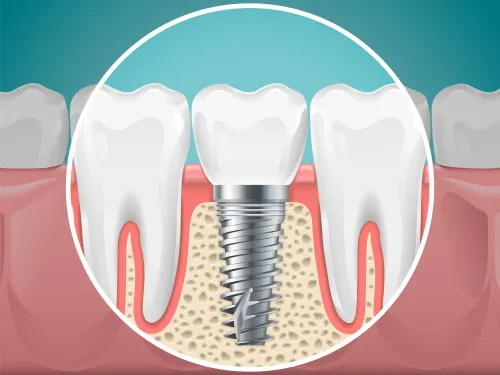
| Extraction plus implant | Extraction, healing, implant, and restoration appointments | No natural tooth remains; surgery, maintenance, and implant complications follow |
Active decay must be removed before bonding. Gum disease needs periodontal care, while bruxism, ice chewing, or clenching may require a dentist-prescribed guard. Deep cracks, extensive missing structure, or a dead pulp can make stronger coverage, pulp treatment, or replacement safer than a conservative restoration.
At IRIDIA DENTAL, a Lower Parel consultation can review structure, bite, pulp, habits, and follow-up needs before you choose biomimetic dental treatment in Mumbai. That assessment also determines biomimetic dentistry aftercare in Mumbai; the label alone cannot predict durability.
Related service
Restorative & Biomimetic Dentistry Restorative & Biomimetic Dentistry Our restorative care philosophy goes beyond simply fixing teeth—we aim to restore them to their natural strength, form, and function using minimally... View service → |
How follow-up care works in Mumbai after restoration
There is no fixed review interval after restoration: timing depends on the restoration type, lesion depth, remaining tooth structure, and your symptoms. A review may assess margins, contacts, bite, cracks, and pulp vitality; the dentist may request radiographs when the lesion was deep or symptoms suggest leakage, fracture, or pulpal disease.
1. Address active gum bleeding and plaque before restorative treatment. Inflamed gums complicate bonding, impressions, margin assessment, and home care. A professional cleaning after treatment supports maintenance, but it does not replace twice-daily brushing or daily interdental cleaning.
2. Plan restorative dentistry recovery in Mumbai around traffic and work. Ask whether you need a bite-adjustment visit, reserve travel time for that appointment, and save an emergency dental contact before leaving. A slightly high restoration can overload the periodontal ligament and cause biting pain; do not file it yourself.
3. If a filling, onlay, veneer, or crown loosens or falls out, contact the dentist promptly. Store the restoration clean in a container, do not use household glue or self-cement, and avoid chewing on that side. The tooth needs examination before recementing or replacement, because decay or a crack can be hidden underneath.
4. Keep care after biomimetic restorative dentistry in Mumbai specific to the restoration and bonding or cement system used. Minimally invasive treatment preserves tooth structure, but it does not prevent future decay, fracture, or pulp problems. Regular reviews remain part of tooth restoration care in Mumbai.
Frequently asked questions
What should I do during the first 24 hours after biomimetic treatment?
Do not chew until normal feeling returns. Avoid very hot drinks, hard foods, and testing the tooth by biting firmly while numbness lasts.
Which symptoms after tooth restoration need a prompt review?
Arrange a prompt review for worsening pain, swelling, a restoration that feels loose, or a bite that feels high after treatment.
How should I clean and protect a biomimetic restoration every day?
Brush twice daily with fluoride toothpaste, clean between the teeth, and avoid using the restored tooth to bite hard objects or packaging.
When is biomimetic treatment the right choice for a tooth?
Your dentist assesses the remaining tooth structure, cracks, decay, bite forces, and pulp health before recommending biomimetic restoration.
How does follow-up care work after restoration in Mumbai?
Follow-up checks assess comfort, bite contact, gum health, and the restoration. Contact the treating clinic sooner if symptoms worsen or the restoration changes.
Keywords