
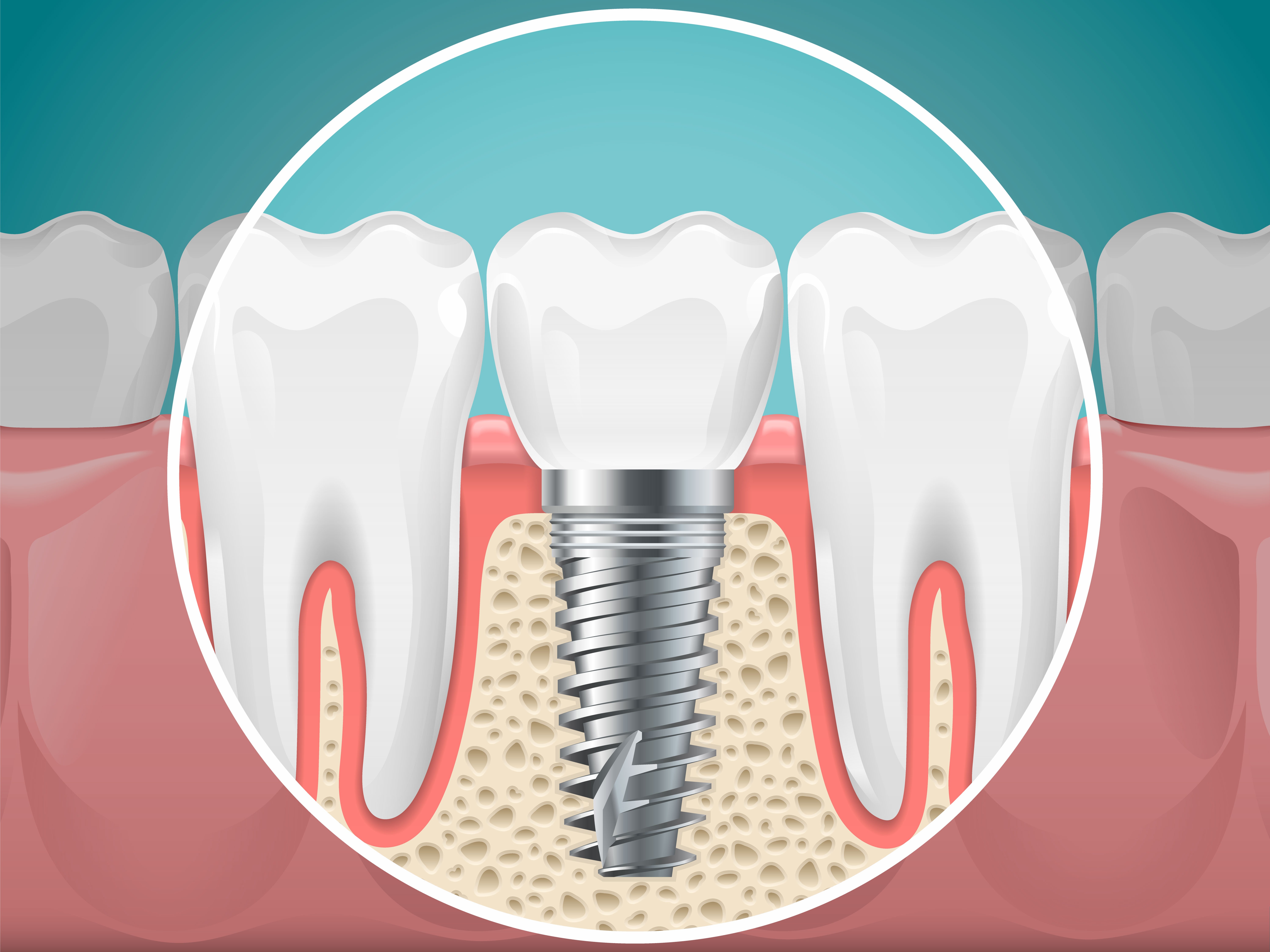
Implant treatment can extend over several months and may involve surgery, healing, laboratory work and continuing maintenance. Choosing a provider is therefore a decision about the entire care pathway—not only the day the implant is placed.
Patients evaluating implant dentistry in Mumbai should look for evidence of thorough planning, clear communication and reliable follow-up.
Expect a Complete Assessment
A responsible implant consultation should examine more than the visible gap. The dentist needs to understand the condition of the gums, remaining teeth, bite and proposed implant site.
Assessment may include:
- Full dental and medical history
- Clinical examination
- Appropriate X-rays or three-dimensional imaging
- Evaluation of available bone
- Review of gum health
- Identification of grinding or bite concerns
- Discussion of tobacco use
- Review of relevant medicines and health conditions
If active infection or gum disease is present, treatment may be recommended before implant placement.
Ask Who Handles Each Stage
Implant care can involve surgery, restorative dentistry, gum treatment and laboratory fabrication. These services may be provided by one trained clinician or coordinated among several professionals.
Patients should know:
- Who plans the case
- Who places the implant
- Who creates the final restoration
- Who manages complications
- Who provides long-term maintenance
Coordination is especially important when bone grafting, multiple implants or significant bite reconstruction is involved.
Request a Written Treatment Plan
A useful plan should describe the recommended option, alternatives and expected stages. It should also explain whether temporary teeth, extractions or grafting are anticipated.
The fee estimate should clarify what is included. Ask whether it covers:
- Diagnostic imaging
- Implant components
- Bone grafting if required
- Temporary restorations
- Final crown or bridge
- Laboratory charges
- Review appointments
- Maintenance care
No ethical provider can guarantee lifelong success. Implant outcomes depend on biology, hygiene, general health, loading, maintenance and other patient-specific factors.
Evaluate Restoration Planning
An implant must be placed in a position that supports the final tooth. Planning surgery without considering the restoration can create compromises in appearance, function or cleanability.
The provider should discuss how the proposed tooth will look, how it will meet the opposing teeth and how the patient will clean around it. For front teeth, gum contour and aesthetic expectations require particular attention.
Understand the Follow-Up Programme
After placement, the surgical site needs monitoring. The final restoration also requires review after it begins functioning.
Long-term appointments may assess:
- Gum condition
- Plaque accumulation
- Implant stability
- Bite forces
- Wear or loosening of components
- Condition of nearby teeth
- Effectiveness of home cleaning
An implant that feels comfortable can still develop inflammation around it, so symptom-free patients should not assume maintenance is unnecessary.
Consider Practical Accessibility
Mumbai patients may need several visits across treatment phases. A provider’s location, appointment system and ability to manage urgent concerns can materially affect continuity.
IRIDIA DENTAL approaches implant dentistry through assessment, surgical-restorative planning and ongoing maintenance. Patients should still ask questions, review their individual plan and understand the responsibilities involved before consenting.
A suitable implant dentistry provider in Mumbai will not focus only on placing an implant quickly. The stronger indicators are careful diagnosis, transparent alternatives, restoration-led planning, documented consent and a clear strategy for protecting the result over time.
Keywords