Rain is not the main biological threat to an implant, but a short gap between surgery and travel can leave you far from the clinic that needs to review bleeding, swelling, wound healing or a loose temporary tooth. You will be able to match the procedure to a realistic travel buffer, identify which stages can be completed before departure and plan safer care if you must travel during Mumbai’s rainy season.
Key takeaways
- Book examination and postoperative review before fixing your departure date.
- Allow extra time after grafting or multiple implants.
- Travel only when pain, bleeding and temporary teeth are stable.
- Confirm rainy-season transport and emergency dental access in advance.
Decide whether the procedure fits your travel window
A fixed departure date makes timing more important than the monsoon itself. Dental implants before monsoon travel in mumbai are practical only when the schedule allows examination, an early postoperative review and urgent dental care if pain, bleeding, wound opening or a loose temporary tooth develops.
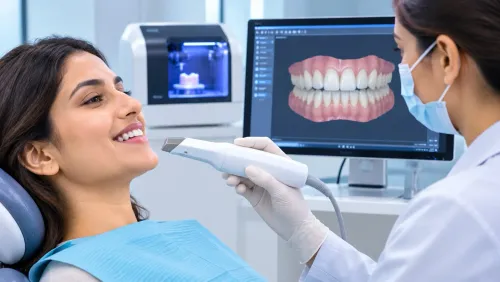
- Consultation and clinical examination identify infection, gum health, bite and the tooth’s condition.
- Radiographs or CBCT show bone volume, nerve position and whether grafting or a sinus lift is needed.
- Consent covers the proposed procedure, risks, alternatives and expected restoration.
- Extraction happens first if the tooth cannot be saved, either before implant placement or during the same planned procedure.
- Implant placement is followed by healing, while a temporary tooth is fitted only when the stability and bite permit it.
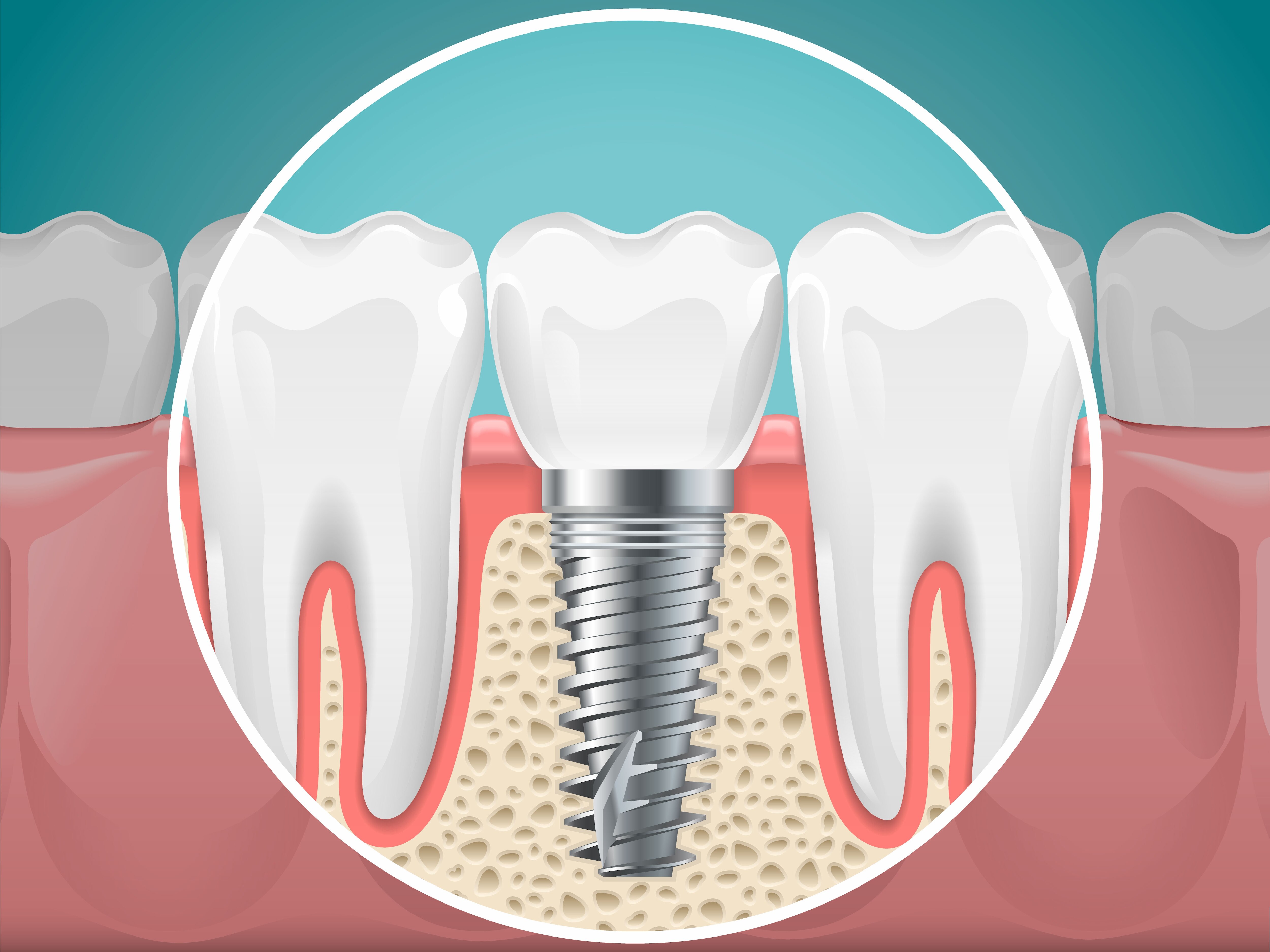
- After osseointegration, which commonly takes 2–6 months, abutment work prepares the implant for the final crown.
- Final crown placement is a separate milestone from surgery and from wearing a temporary tooth.
Immediate loading does not remove this timeline. It is a selected protocol requiring primary stability, suitable bone and controlled biting forces; it is not the default, and an unstable implant should heal without functional loading.
For a short Mumbai trip, completing assessment, imaging, consent and planned surgery well before departure is usually more practical than beginning treatment immediately before travel. Implant treatment before travel may mean surgery only, a temporary tooth or a finished crown, so ask the surgeon which milestone is realistic by your departure date.
Set the right buffer for simple placement, grafting or multiple implants
Leave at least the first 72 hours after implant surgery free from travel. Swelling and discomfort often peak at 48–72 hours, so flying or leaving Mumbai immediately after surgery creates avoidable problems. The surgeon’s early review matters more than a generic day count because it checks bleeding, wound closure, bite and any temporary tooth.
| Procedure | Travel planning | Why the buffer changes |
|---|---|---|
| Straightforward implant placement | Wait beyond the early review; allow extra time for domestic travel | One surgical site usually needs simpler monitoring |
| Extraction plus implant | Allow a longer review window before departure | Two wounds increase bleeding and healing demands |
| Multiple implants | Build in additional recovery and review time | Swelling, chewing limits and bite checks are greater |
| Bone grafting | Avoid a tight pre-travel schedule | Graft healing can require a separate interval |
| Sinus lift | Plan around a separate healing interval and sinus precautions | The schedule is less predictable than simple placement |
For dental implant timing in Mumbai, a short domestic journey is safer when you can return easily for review or urgent care. International travel adds long transit, limited access to the treating clinic and possible insurance exclusions for planned or pre-existing dental treatment.
Dental implants before rainy season in Mumbai become impractical when your itinerary leaves no realistic route to care.
Proceed only if you can attend the planned review and obtain urgent treatment if the wound opens, bleeding persists, or a temporary tooth loosens. A calendar gap is not enough; access to examination and emergency care is the deciding factor.
Know what implant recovery before vacation feels like
On the day of surgery, blood-tinged saliva and soreness are common. Use the prescribed pain relief rather than waiting for discomfort to become severe. Eat soft foods, avoid chewing on the surgical side, sleep with your head elevated, and follow the clinician’s exact instructions for brushing and interdental cleaning.
Swelling often increases during days two and three, then gradually improves. Do not probe the wound or add mouthwash, flossing or interdental brushes unless your clinician has instructed you to do so; disturbing the site can restart bleeding or irritate healing tissue.
Desk work may be realistic once pain is controlled and you are not affected by medication, while gentle walking is often easier after the first day. Sightseeing requires more energy, transport and exposure to delays, so plan it only when swelling is settling and you can attend the scheduled review.
Better pain does not prove that the implant is ready for normal chewing.
Before departure, request review for any of these findings:
- Uncontrolled or persistent bleeding.
- Swelling that worsens after the first few days.
- Fever, pus, or severe or worsening pain.
- Persistent numbness or altered sensation.
- A loose implant or temporary tooth.
- Difficulty swallowing or breathing.
Rain and humidity do not explain these symptoms. Do not manage them solely with over-the-counter medication; contact the treating clinician or obtain urgent dental care before travelling.
Plan rainy-season care, transport and emergency access
Rain itself does not directly stop osseointegration. The bigger risks are surgical-site contamination, poor oral hygiene, smoking, uncontrolled diabetes and missed follow-up, while flooding and traffic can make timely review difficult.
Before implant treatment before travel, arrange these practical safeguards:
1. Ask the treating clinic to confirm the review schedule and provide a named local emergency contact. Also identify a destination dental clinic that can assess bleeding, infection, a loose provisional or wound problems.
2. Plan realistic transport with extra time for waterlogging, traffic diversions and cancelled appointments. Do not rely on a same-day transfer after surgery.
3. Carry prescribed medicines in their original packaging, written postoperative instructions, your allergy list and a soft-food plan. Keep gauze, toothbrushes and other clean wound-care supplies in a sealed waterproof pouch.
4. Continue gentle brushing and the prescribed interdental cleaning routine. Do not scrub the surgical site or improvise rinses. Avoid hard or sticky foods on a provisional tooth unless the clinician clears them.
5. Arrange a responsible person to accompany anyone after sedation. Do not drive or travel alone immediately after sedation unless the treating clinician specifically approves it.
A provisional can loosen during travel without proving implant failure, but it needs prompt assessment. If rain disrupts access, contact the treating clinic rather than waiting until the next appointment.
Choose a Mumbai plan that leaves room for clinical review
Proceed only if your itinerary allows an early postoperative examination; otherwise postpone surgery. The deciding issue in dental implant timing in Mumbai is access to review and urgent care, not the monsoon calendar alone. Delay treatment when bone grafting or a sinus lift makes healing unpredictable, or when smoking and poorly controlled diabetes remain unaddressed.
| Option | Planning implication | Go or wait |
|---|---|---|
| Straightforward implant placement | Early wound and stability review still required | Go only with time for review |
| Extraction plus implant or multiple implants | More healing sites and a greater chance of review needs | Prefer a wider buffer |
| Bone graft or sinus lift | Healing may require a separate interval and sinus precautions | Postpone a short-window trip |
A plan from IRIDIA DENTAL can be organised around your examination, imaging, surgical review and actual departure date. That approach is more useful than scheduling treatment simply because Mumbai’s rainy season has not started.
If treatment proceeds, request copies of:
- Implant system, implant model and component details
- Radiographs or CBCT scans
- Operative notes, including graft or sinus-lift details
- Medication list and documented allergies
- Written postoperative instructions
- Treating dentist’s telephone and email details
- A named local emergency dental contact
This information helps another dentist identify compatible components and understand what happened if your original clinic cannot examine you promptly.
Proceed only when the surgeon confirms healing is on course, follow-up is accessible and your travel plan does not depend on self-managing a complication abroad.
Related service
Implant Dentistry With Masters in Implantology from the European Association of Osseointegration, we bring you expertise from inventors and pioneers, along with the... View service → |
Frequently asked questions
How much time should you allow between dental implant placement and travel?
Build in time for the procedure, healing, an early postoperative review and urgent care if pain, bleeding, wound opening or a loose temporary tooth develops. Simple placement needs a different buffer from grafting or multiple implants.
Is implant treatment practical before monsoon travel in Mumbai?
It is practical when your schedule allows clinical review before departure and access to urgent dental care during the trip. A fixed departure date with no recovery margin makes implant treatment a poor fit.
What does implant recovery before vacation feel like?
Expect soreness, swelling and eating restrictions soon after placement. You should not plan travel while pain, bleeding, wound opening or instability in a temporary tooth remains unresolved.
How should you prepare for rainy-season travel after implant surgery?
Plan reliable transport, protect prescribed medicines and oral-care supplies from rain, avoid unnecessary delays in wet conditions and identify an emergency dentist near your destination.
Why is a clinical review important before travelling after implant placement?
The review checks healing, the surgical site and any temporary tooth before you leave. It gives the dental team a chance to address problems while you remain in Mumbai.
Keywords