
The right preventive visit depends on your cavity history, gum health, restorations, medical conditions and last examination—not on choosing the longest package. You will be able to match your risk to the examination, cleaning, fluoride, sealant, gum screening or X-ray you may need, and know when a routine visit is the wrong starting point.
Key takeaways
- Share medical history, habits and your last dental visit before choosing treatment.
- Choose cleaning for deposits, fluoride for decay risk and sealants for vulnerable grooves.
- Set recall visits by gum, decay and medical risk—not by a fixed package.
- Ask what each Mumbai clinic visit includes, costs and requires afterward.
Start with your risk, not a dental package
The right preventive treatment is the one matched to your risk, not the longest package. To decide which preventive dental treatment is right for me in mumbai, disclose diabetes, tobacco or areca-nut use, dry mouth, braces, frequent snacking, pregnancy, dental anxiety, gum disease, fillings or crowns, and the date of your last visit.
| Your situation | Useful preventive focus | Why it matters |
|---|---|---|
| Low cavity risk, intact teeth and restorations | Examination, gum screening and home-care advice | Extra procedures add time without addressing a finding |
| New or frequent cavities | Fluoride varnish, bitewing X-rays when indicated, diet review and shorter recalls | Decay between teeth can remain hidden during a visual examination |
| Bleeding gums or previous periodontal disease | Gum measurements, professional cleaning and closer review | Untreated inflammation can damage supporting bone |
| Braces, dry mouth, diabetes, tobacco or areca-nut use | More frequent risk reviews, targeted cleaning, fluoride and oral-cancer screening | Plaque, infection and tissue changes need earlier detection |
| Sports or grinding risk | A fitted sports mouthguard or selected night guard | These protect against trauma or wear, not ordinary tooth decay |
X-rays are not automatic at every checkup. A dentist selects bitewings or other images according to symptoms, examination findings, age, cavity risk and previous records. Children need an oral-health assessment by the first tooth and no later than 12 months.
Use the same risk-based approach when comparing dental checkup options in mumbai; a six-month interval is not compulsory for every adult.
Know what a preventive appointment should include
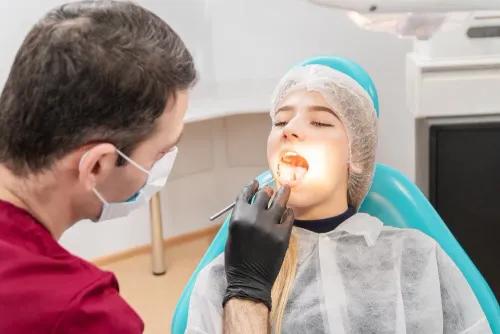
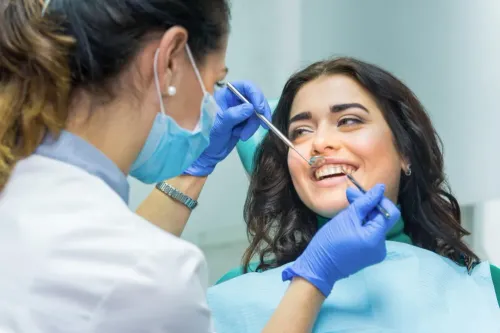
A preventive appointment should include a medical and dental history, a visual examination, gum screening, bite assessment and an oral-cancer check. The dentist also reviews your brushing, diet, tobacco or areca-nut use, dry mouth, diabetes, pregnancy, medicines and previous dental work.
The usual sequence is:
- Examine teeth, fillings, crowns, gums, tongue, cheeks and jaw.
- Measure gum pockets when bleeding, periodontal disease or risk factors are present.
- Check your bite, tooth wear, loose restorations and areas that trap plaque.
- Discuss cleaning, polishing, fluoride, sealants and home care according to the findings.
- Set a recall date and explain which symptoms require an earlier visit.
X-rays are not automatically part of every checkup. Select them according to symptoms, age, cavity risk, examination findings and previous images. Bitewing radiographs are particularly useful for decay between teeth that cannot be seen directly.
| Finding at the visit | Examination or prevention focus | X-ray decision |
|---|---|---|
| Low cavity risk, intact restorations | Examination, gum screening and personalised home-care advice | Often no new image if recent, suitable images exist |
| Frequent new cavities or tight contacts | Diet review, fluoride discussion and closer monitoring | Consider bitewings to find hidden decay |
| Pain, swelling, deep fillings or suspected bone disease | Focused diagnostic examination | Order targeted images for the suspected problem |
Ask dental checkup options in Mumbai whether the fee includes the examination, gum assessment, cleaning and review of existing X-rays. Also disclose your household’s drinking water, because bottled or filtered water can change your fluoride exposure.
Match cleaning, fluoride and sealants to the finding
Choose the treatment that matches the finding, not the longest package.
| Option | Finding | Appropriate choice |
|---|---|---|
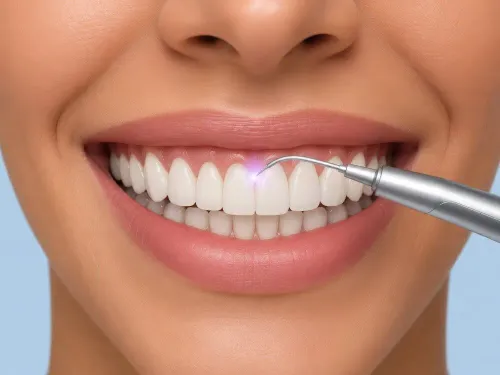
| Professional cleaning | Plaque, calculus or gum inflammation | Remove deposits above and below the gumline; cleaning will not repair a cavity. |
| Polishing | Surface stains after deposits are removed | Use selectively; polishing does not prevent decay and excessive polishing can wear enamel. |
| Fluoride | Frequent new cavities, exposed roots, dry mouth or high acid exposure | Consider varnish or another professional fluoride treatment alongside daily fluoride toothpaste. |
| Sealants | Deep grooves on sound or early, non-cavitated molars | Seal after confirming the groove has no dentine cavity; a sealant cannot treat established decay. |
| Antimicrobial care | Specific gum infection or prescribed post-treatment need | Use chlorhexidine or another antimicrobial only for the advised duration; routine daily use is not a substitute for plaque removal. |
| Home prevention | Every mouth | Brush twice daily with 1,350–1,500 ppm fluoride toothpaste, clean between teeth and reduce sugary snacks between meals. |
A low-caries adult with intact fillings may need examination, risk review and home-care advice rather than cleaning, fluoride and sealants at every visit.
Assess fluoride exposure locally. Tell the clinician whether you drink tap, filtered or bottled water, and report fluoride toothpaste, supplements and professional applications; household water habits matter more than Mumbai’s location alone.
If you have frequent cavities, bleeding gums, braces or dry mouth, ask which finding justifies each add-on. Bitewing X-rays can reveal decay between teeth, but clinical findings and previous images should determine whether you need them.
Set the recall interval around your risk
Six months is not a universal deadline. A low-caries adult with intact fillings and healthy gums may need an examination and risk review at a longer interval, while NICE guidance permits adult recalls from 3 to 24 months. Set the next visit from recent findings, not a package label.
Shorten the interval when you have:
- New or frequent cavities, frequent snacking, dry mouth, or high sugar exposure; you may need fluoride, bitewing X-rays, dietary advice and closer review.
- Bleeding gums, periodontal disease, diabetes, or tobacco or areca-nut use; gum measurements and oral soft-tissue screening deserve regular attention.
- Braces or other orthodontic appliances; plaque traps around brackets and wires make professional cleaning and hygiene checks more important.
- Several crowns, bridges, implants or large fillings; inspect margins, contacts, bite and cleaning access before small problems become repairs.
- Pregnancy; book preventive assessment and cleaning, especially if gums bleed. Tell the clinician about the pregnancy before imaging or medication.
- Older age, reduced dexterity, multiple medicines or reduced saliva; review brushing aids, denture or implant care, root-caries risk and fluoride needs.
Tell the clinic how long it has been since your last examination and what water you drink, because bottled and household water change fluoride exposure. X-rays are chosen from symptoms, age, risk and previous images; bitewings help find decay between teeth but do not belong at every visit.
Share this information when comparing preventive dentistry for adults in Mumbai.
Ask the Mumbai clinic these questions before booking
Before booking, ask for the estimated appointment length and what happens during it. A rushed “cleaning” may leave no time for gum measurements, bite review, oral-cancer screening, or X-rays when indicated. Compare preventive dental care in Mumbai by what is assessed and documented, not by the longest list of procedures.
| Visit type | Appointment time | Included assessments and records | Follow-up and alternatives |
|---|---|---|---|
| Low-risk adult review | Ask for time for examination, not cleaning alone | Risk history, teeth and gums, bite, existing X-rays or photographs; request findings in your record | Home-care plan and recall interval; ask whether cleaning or fluoride is unnecessary |
| Higher-risk review | Ask whether extra time covers gum charting and imaging | Cavity history, bleeding, dry mouth, diabetes, tobacco or areca-nut use, restorations, household water sources, and bitewing X-rays when indicated | Ask about fluoride varnish, dietary advice, shorter recall, or restorative treatment instead of sealing a cavity |
| Child or first visit | Ask whether the child’s age and cooperation are allowed for assessment | Tooth development, feeding, brushing, fluoride sources, and sealant suitability; request parent instructions | Ask about prevention-only care, desensitisation, and review timing |
Request copies of X-rays, photographs, gum measurements, and the written plan. IRIDIA DENTAL is worth comparing on whether those records and alternatives are explained before treatment, rather than assuming every visit includes every procedure.
Related service
Preventive Treatments Comprehensive Oral Examination A complete oral health check is the cornerstone of effective dental care. View service → |
Frequently asked questions
How do I choose the right preventive dental treatment?
Start with your risk factors and clinical findings. Tell the dentist about diabetes, tobacco or areca-nut use, dry mouth, braces, frequent snacking, pregnancy, anxiety, gum disease, fillings, crowns and your last visit.
What should a preventive dental appointment include?
Ask for a review of your medical and dental history, an examination of teeth and gums, an assessment of decay and gum risk, and a clear explanation of recommended treatment.
When do I need cleaning, fluoride or sealants?
Cleaning addresses plaque or hardened deposits found during the examination. Fluoride suits people with elevated decay risk, while sealants protect deep grooves that trap food and plaque.
How often should I schedule preventive dental visits?
Set the recall interval around your decay, gum and medical risks, rather than choosing a package with a fixed schedule.
What should I ask a Mumbai dental clinic before booking?
Ask what the appointment includes, which findings would lead to cleaning, fluoride or sealants, how follow-up is planned, and what you will pay for each recommended service.
Keywords