Brushing and interdental cleaning control plaque every day, but they cannot remove calculus once it hardens. A professional visit adds examination, scaling and carefully selected polishing; by the end, you will know which care belongs at home, which treatment requires a clinic, and what to expect from each option.
Key takeaways
- Brush and floss remove plaque, but not hardened calculus.
- Ask whether your appointment includes scaling, polishing and gum assessment.
- Choose a clinic that checks for decay, gum disease and damaged dental work.
- Follow your dentist’s return interval instead of relying on a fixed six-month rule.
What home care removes—and what only a professional can remove
Brushing, flossing and rinsing cannot replace professional cleaning when hardened deposits have formed. Plaque is a soft bacterial film that effective daily care can remove, but calculus, also called tartar, is mineralised plaque. Toothbrush bristles cannot reliably break it away, so it requires scaling with hand instruments or an ultrasonic scaler.
Use this home-care baseline:
- Brush twice daily for about two minutes with fluoride toothpaste.
- Clean between your teeth once daily with floss or another interdental device.
- Rinse as directed, but do not treat mouthwash as a substitute for brushing or interdental cleaning.
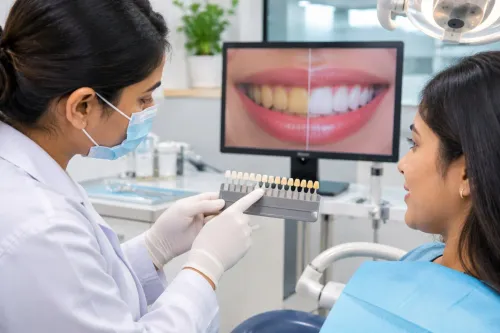
Polishing is different from whitening. It smooths tooth surfaces and can lift selected external stains from coffee, tea, tobacco and strongly coloured foods. Brushing can reduce some of the same surface staining, but neither changes the natural colour inside enamel. A cleaning or polish therefore does not whiten teeth several shades.
Cleaning and polishing at a dental clinic or home care in Mumbai are complementary, not interchangeable. Home care controls new plaque each day; professional scaling removes calculus that home tools cannot. Professional polishing then smooths the cleaned surfaces and removes suitable external stain.
Scraping tartar at home, or using lemon, charcoal or abrasive baking-soda mixtures, can irritate gums and wear tooth surfaces without treating the underlying problem.
What happens during a cleaning and polishing appointment
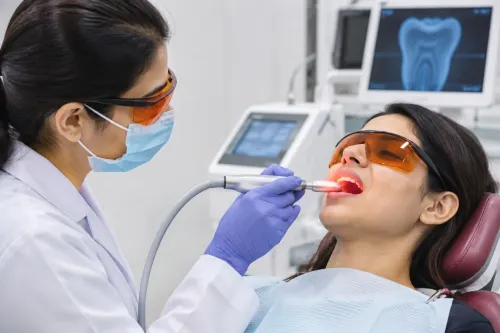
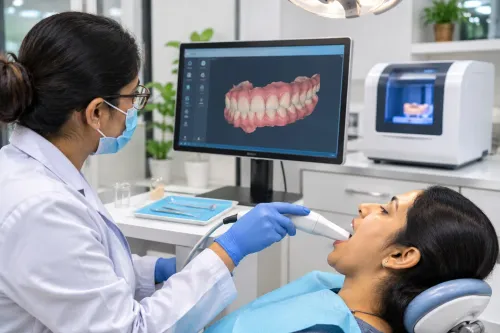
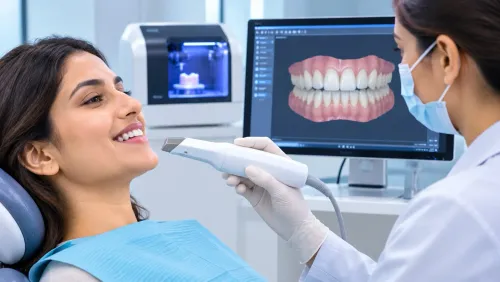
A dental polishing appointment in Mumbai should begin with a medical and dental history, not a polishing wheel. The clinician examines your gums for recession, bleeding and periodontal pockets, and checks for cavities, defective fillings, crowns or bridges. X-rays are taken only when findings, symptoms or risk make them clinically justified.
Treatment is chosen from the examination, not from a package name.
| Option | What it means | When it applies |
|---|---|---|
| Standard cleaning | Supragingival scaling removes calculus above the gumline, followed by rinsing and polishing | Deposits and surface stains exist without deep periodontal pockets |
| Routine polishing appointment | Polishing smooths tooth surfaces and lifts selected coffee, tea, tobacco or food stains | Stain is the main concern after examination; it does not replace scaling |
| Scaling and root planing | Subgingival scaling removes calculus below the gumline and root planing smooths contaminated root surfaces | Deeper pockets, bleeding, below-gum calculus or periodontitis require periodontal treatment |
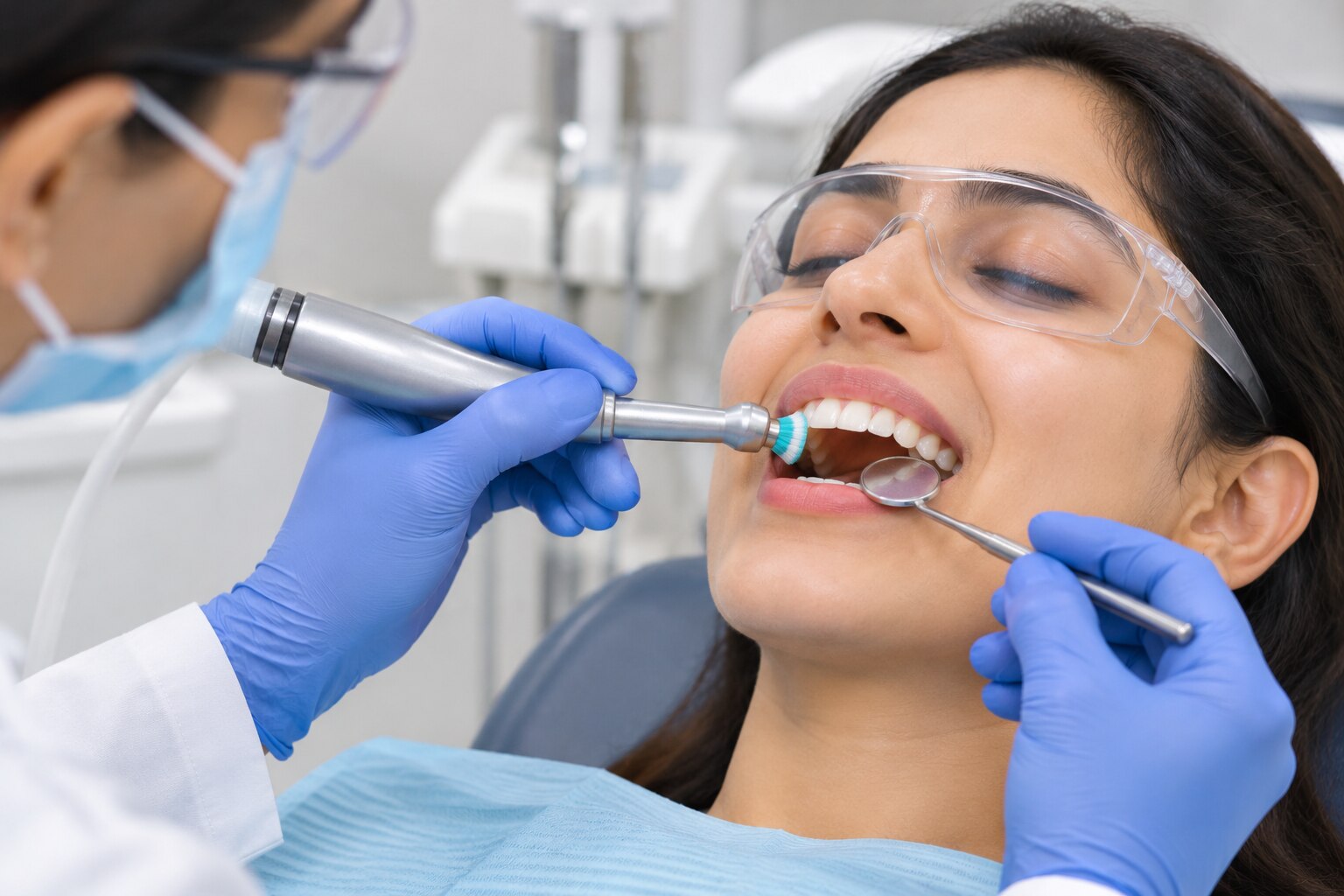
During routine care, instruments or an ultrasonic scaler remove deposits, you rinse, and the clinician polishes with a cup or brush. Polishing does not whiten teeth several shades or treat infection beneath the gums.
Expect temporary sensitivity or gum tenderness after scaling. Repeated abrasive polishing can wear exposed dentine, enamel defects, crowns, fillings and bridges, so pressure and abrasive choice matter. Air-polishing can remove biofilm and external stain; sodium bicarbonate is more abrasive and can be unsuitable around some restorations, exposed dentine or sodium restriction.
Glycine and erythritol are lower-abrasion alternatives with different indications and costs.
Follow instructions to brush gently with fluoride toothpaste, clean between teeth and report persistent bleeding, swelling or pain.
How to build home care around your mouth and dental work
Use a soft-bristled manual brush angled towards the gumline, with light pressure for two minutes twice daily and fluoride toothpaste. Replace the brush or powered head every three months, or sooner when bristles splay.
Professional cleaning versus home care in Mumbai is not an either-or choice: consistent home care controls plaque, while hardened calculus still needs professional removal.
| Tool | Best use | Practical point |
|---|---|---|
| Manual brush | Complete daily brushing | Technique and coverage matter more than brand |
| Oscillating-rotating brush | Plaque and gingivitis control | Offers a small average advantage over manual brushing |
| Sonic brush | Guided, consistent brushing | Move slowly along each tooth and gumline |
| Floss | Tight tooth contacts | Curve it around each tooth; snapping it into gums causes injury |
| Interdental brush | Open spaces and bridges | Choose a size that fits snugly without force |
| Water flosser | Braces, implants, or difficulty with thread floss | Aim along the gumline and beneath restorations |
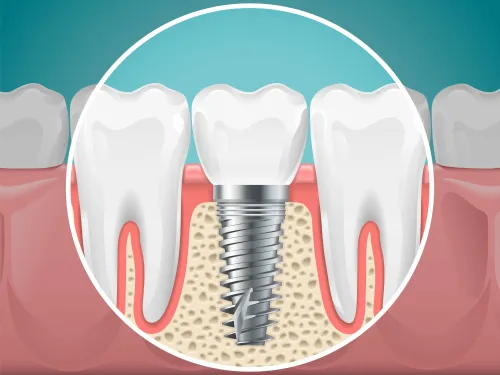
For dental work, brush carefully around brackets and wires, pass an interdental brush beneath bridge connectors, clean crown margins without scrubbing aggressively, and direct a water flosser around implant-supported restorations. A device helps only where you use it consistently.
Chlorhexidine mouthwash is a short-term, clinician-directed treatment. It can stain teeth or the tongue, alter taste, and increase calculus; it never replaces brushing, interdental cleaning, or scaling.
How to choose a Mumbai clinic when polishing is not enough
Choose a teeth cleaning clinic near Lower Parel that examines your gums before recommending polishing. Ask whether the appointment includes gum-pocket assessment, calculus removal and a clear explanation of the findings. A polishing-only package can make teeth feel smooth while leaving disease beneath the gumline untreated.
Persistent bleeding, swelling, bad taste, pus, gum recession, loose teeth or repeated calculus need assessment for gum disease. A superficial polish cannot remove infected deposits below the gumline.
Ask these questions before booking:
- Who performs the cleaning, and who reviews the findings?
- Will periodontal charting be recorded when pocket measurements or bleeding indicate it?
- Will the clinician check cavities, defective fillings, recession and restorations?
- What treatment is proposed, and what finding makes it necessary?
- When should you return, based on the recorded pocket depths and bleeding?
| Service | What it does | When it applies |
|---|---|---|
| Polishing | Smooths surfaces and removes selected external stains | Clean surfaces without significant calculus |
| Scaling | Removes hardened calculus with hand or ultrasonic instruments | Deposits are present above or below the gumline |
| Scaling and root planing | Cleans and smooths affected root surfaces below the gumline | Periodontal pockets and gum disease require deeper treatment |
A careful clinic also adapts instruments and powders around exposed roots, sensitive areas, enamel wear, implants, crowns, fillings and bridges. IRIDIA DENTAL in Lower Parel may suit readers who want cleaning decisions connected to examination findings and wider oral-health needs, rather than a uniform cosmetic procedure.
Related service
Preventive Treatments Comprehensive Oral Examination A complete oral health check is the cornerstone of effective dental care. View service → |
How often should you return, and what should you do afterward?
Do not book every six months by default. No fixed interval suits everyone: base the next visit on plaque control, calculus accumulation, bleeding, pocket depth, smoking or tobacco use, diet, restorations and periodontal disease.
People with periodontitis may need periodontal maintenance after subgingival scaling and root planing. Others need routine cleaning when deposits return, so ask for the follow-up interval to be based on the findings rather than a package schedule.
After scaling or polishing, brush gently with fluoride toothpaste and clean between your teeth every day. Mild bleeding or sensitivity is not a reason to stop; inflamed gums need consistent, careful cleaning while they recover.
Cleaning can uncover tooth surfaces that calculus or stain had covered, making colour look uneven for a short time. That difference is not enamel damage. Avoid lemon, charcoal, baking-soda mixtures and aggressive abrasive products, which can wear enamel or irritate gums.
Contact a dentist promptly if you develop:
- Severe or worsening pain
- Facial swelling
- Fever
- Pus or a persistent bad taste
- Bleeding that does not settle with firm pressure
Sensitivity that persists beyond the expected recovery period also deserves assessment, especially when roots are exposed, enamel is worn or gum inflammation was treated.
Frequently asked questions
What can home care remove compared with professional cleaning?
Brushing, flossing and rinsing can remove soft plaque and food debris. Only professional scaling reliably removes hardened calculus, also called tartar.
What happens during a cleaning and polishing appointment?
The dentist or hygienist examines your teeth and gums, removes calculus with hand instruments or an ultrasonic scaler, then polishes away surface stains and residue.
How should home care change around dental work?
Use tools suited to your restorations, implants or orthodontic appliances, and ask your dentist to demonstrate cleaning around margins, gaps and gumlines.
When is polishing not enough?
You need further assessment when bleeding, gum pockets, persistent bad breath, tooth sensitivity, decay, loose teeth or damaged dental work is present.
How often should you return after professional cleaning?
Return at the interval your dentist recommends after examining your plaque buildup, calculus, gum health and dental work, then follow the aftercare instructions.
Keywords