Choosing between a filling, onlay, or crown depends on how much healthy tooth remains, whether the cusps or root are cracked, and whether the pulp is healthy. By the end, you will know what each restoration preserves, what the appointment involves, and which questions to ask before accepting a recommendation for your tooth.
Key takeaways
- Choose a filling when enough strong tooth remains for bonded support.
- Ask whether an onlay preserves more healthy tooth than a full crown.
- Confirm the material, repair plan, appointment stages, and total treatment cost.
- Request a bite check and written aftercare instructions before leaving.
What “biomimetic” means when choosing a filling, onlay, or crown
“Biomimetic” describes a treatment philosophy, not a unique material or a separate type of restoration. Biomimetic dentistry in Mumbai aims to copy the tooth’s natural structure and movement by preserving sound enamel and dentin, removing only damaged tissue, and bonding the replacement securely.
A biomimetic filling is therefore a filling placed using this conservative, adhesive approach; it is not automatically stronger or better than a conventional filling.
| Option | What it restores | Tooth reduction and typical use |
|---|---|---|
| Filling | A small to moderate area of decay or fracture | Directly placed in the tooth; removes only the damaged area |
| Inlay | Damage between the cusps | Laboratory- or chair-made piece bonded inside the cusps |
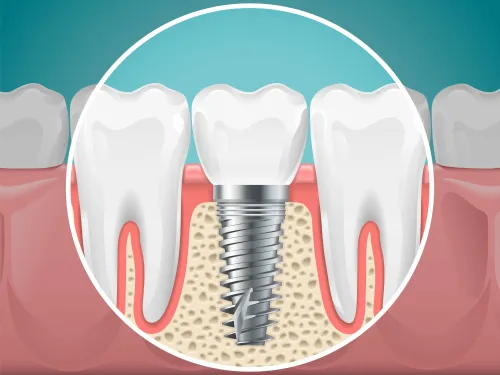
| Onlay | One or more damaged cusps and surrounding tooth | Covers weakened cusps while preserving more tooth than a crown |
| Full crown | Most of the visible tooth, including all cusps | Requires reduction around the entire tooth; used when walls, cusps, or cracks are extensively compromised |
A crown is not simply a stronger filling. It sacrifices more tooth structure to surround and protect what remains, while an inlay or onlay provides partial coverage. The choice depends on remaining enamel and dentin, decay, crack depth, cusp loss, bite forces, tooth position, gum health, and pulp symptoms.
Before choosing biomimetic fillings or crowns in Mumbai, confirm what tissue will be removed and whether isolation, bonding, and repair are part of the proposed plan. Spontaneous pain, lingering hot or cold pain, swelling, or pain on biting requires pulp and infection diagnosis first.
Which restoration fits the damage in your tooth?
A small cavity with strong surrounding enamel and dentin often suits an adhesive filling. Lost cusps, deep cracks, thin remaining walls, or heavy bite forces shift the decision toward an onlay or other partial-coverage restoration; a full crown is reserved for a tooth that needs protection around its entire circumference.
| Option | What it covers | When it fits |
|---|---|---|
| Filling | The missing portion of the tooth | Decay or a limited defect with sound walls and cusps |
| Inlay or onlay | An internal area, or one or more cusps | Larger decay, cusp loss, or a crack that does not extend through the tooth |
| Full crown | The outside of the tooth on all sides | Extensive structural loss, multiple cracks, a heavily restored tooth, or a root-treated tooth needing cuspal protection |
The crack’s direction and depth matter. A crack confined to the crown may allow partial coverage; one reaching below the gum or splitting the tooth can make it unrestorable. Deep decay does not automatically require removing every softened area, but the dentist needs a clean, durable peripheral seal and a tooth that can be isolated.
A painful lingering response to hot or cold, spontaneous pain, swelling, or tenderness on biting demands pulp assessment before restoration. Healthy gums provide clean, dry margins; bleeding or deep decay at the gumline undermines bonding.
A molar exposed to grinding needs more protection than a front tooth, so “fillings or crowns in mumbai” is not a diagnosis. Ask which option preserves the most sound structure and what happens if the restoration chips.
What happens during a biomimetic restoration appointment
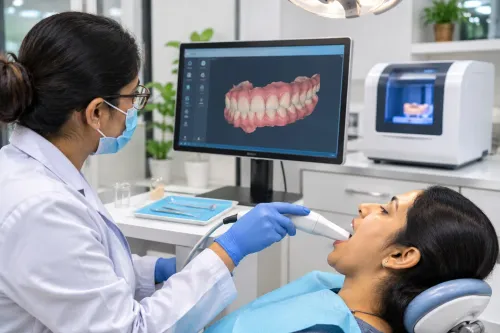
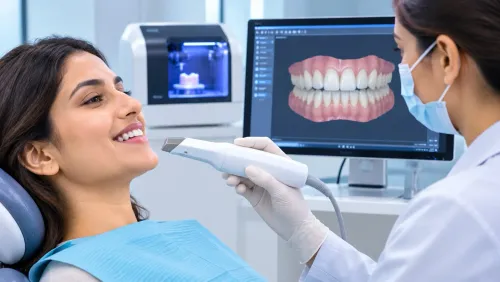
Expect the dentist to confirm that the tooth can be restored before discussing biomimetic fillings or crowns in Mumbai. Examination may include photographs, bite assessment, vitality testing, and X-rays to locate decay, cracks, deep restorations, or pulp involvement. The plan should state how much sound enamel and dentin will remain.
- After numbing the tooth, the dentist removes infected and unsupported tooth structure while preserving sound tissue. Deep decay may require a protective liner, build-up, or root-canal treatment instead of immediate bonding.
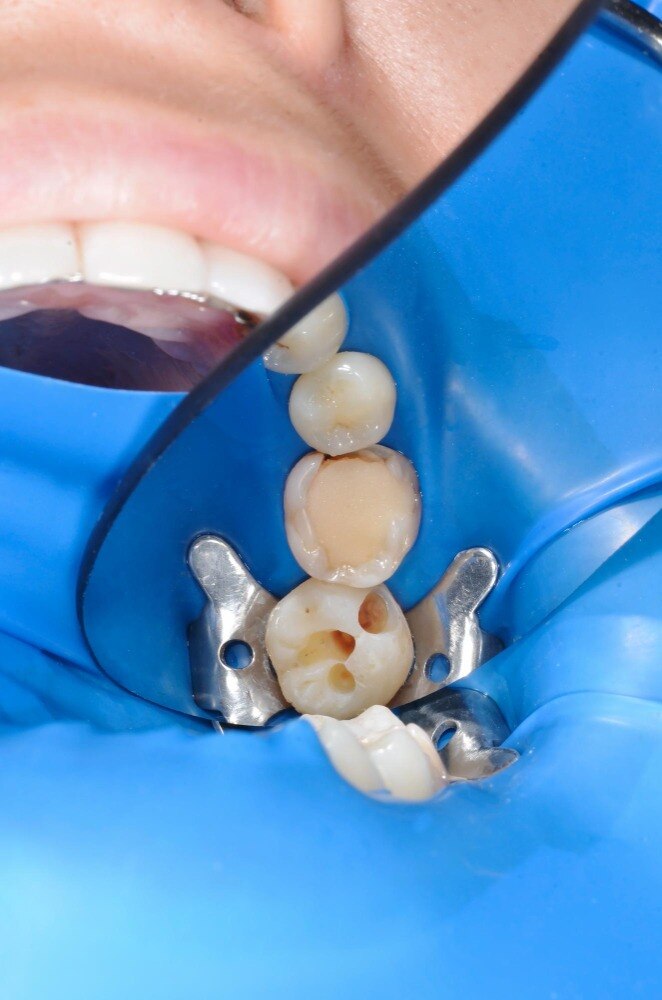
- A rubber dam is placed around the tooth to keep saliva, blood, and moisture away. Ask what isolation method will be used; contamination during bonding can weaken the restoration.
- The dentist conditions the enamel and dentin, applies the adhesive system, and places composite or bonds a laboratory-made inlay, onlay, or crown. If immediate dentin sealing is used, freshly cut dentin is sealed before laboratory fabrication.
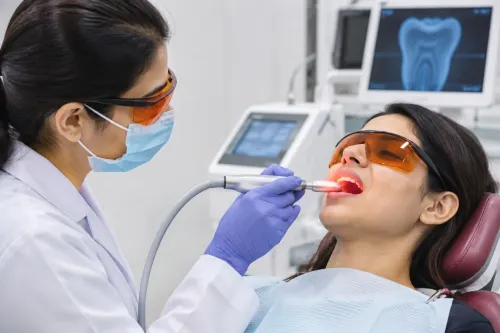
- Each resin layer is shaped and light-cured. The dentist checks margins, contacts between teeth, and the restoration’s fit before finishing and polishing.
- You bite on marking paper so high spots can be reduced. An unadjusted high spot can cause chewing pain or overload the tooth.
At follow-up, report lingering sensitivity, pain on biting, looseness, or a chipped edge. The dentist should review the seal, gum response, bite, and cleaning access, then explain repair options and the next review interval. A same-day crown changes the workflow, not the need for diagnosis, isolation, fit checks, and follow-up.
Materials, repairs, costs, and the questions worth asking in Mumbai
A low fee is not a useful comparison unless the quote states what is included. For tooth restoration in lower parel, compare the tooth structure removed, material, bonding protocol, laboratory work, isolation, follow-up, and repair policy—not the label “biomimetic” alone.
| Option | Material and coverage | Main trade-off |
|---|---|---|
| Filling | Composite bonded directly to the tooth | Conservative, but less suitable for a missing cusp or heavy bite |
| Inlay or onlay | Ceramic or composite laboratory or chairside restoration | Preserves more tooth than a crown; costs more and needs precise bonding |
| Crown | Ceramic, zirconia, or metal-based full coverage | Protects extensively weakened walls, but requires greater reduction |
Ask for a written fee breakdown covering examination, X-rays, decay removal, core build-up, temporary restoration, root-canal treatment, laboratory charges, cementation, and reviews. Mumbai fees vary with tooth position, surfaces or cusps involved, material, isolation difficulty, and laboratory workflow.
Maintenance affects survival. Control plaque, reduce frequent sugar exposures, use fluoride toothpaste, manage dry mouth, and attend reviews; a sealed margin cannot prevent recurrent decay in a high-caries environment. If the restoration chips, ask whether repair, polishing, or replacement is recommended and what it costs.
A restorative dentist near me should answer these questions clearly:
- What structure will you remove, and why is a filling, onlay, or crown preferable?
- Is the pulp healthy, based on symptoms, tests, and X-rays?
- Which material, bonding system, and isolation method will you use?
- What evidence supports the expected service interval?
- How will you manage a chip or sensitivity?
IRIDIA DENTAL can be included in your comparison if it explains these tooth-specific decisions rather than relying on the biomimetic label.
Related service
Restorative & Biomimetic Dentistry Restorative & Biomimetic Dentistry Our restorative care philosophy goes beyond simply fixing teeth—we aim to restore them to their natural strength, form, and function using minimally... View service → |
A practical decision checklist before treatment
Before you consent, obtain tooth-specific answers, not just the promise of biomimetic care. The label biomimetic dentistry in Mumbai does not replace a diagnosis, material specification, or clear plan for failure.
1. What exactly is wrong? Ask whether the tooth has decay, a crack, worn structure, or a failing restoration, and how much enamel and dentin will remain after preparation.
2. What are the alternatives? Ask for a comparison of direct filling, inlay, onlay, and full crown, including how much tooth structure each removes and why the recommended option fits this tooth.
3. Is the pulp healthy? Spontaneous pain, lingering hot or cold pain, pain on biting, swelling, or a sinus tract requires pulpal and periapical diagnosis before bonding. A filling or crown cannot cure irreversible pulpitis or an established infection.
4. How will contamination be prevented? Ask whether a rubber dam will isolate the tooth, which adhesive and restorative material will be used, and whether immediate dentin sealing is part of the protocol.
5. What happens if it chips or debonds? Get the repair, replacement, and emergency plan in writing, including who pays for each step.
6. What supports the recommendation? Ask for documented outcomes or an expected review interval for that material and tooth type.
7. What does the quote include? Confirm examinations, X-rays, temporary work, build-up, root-canal treatment, bite adjustment, and follow-up before comparing fillings or crowns in Mumbai.
Frequently asked questions
What does biomimetic mean when choosing a filling, onlay or crown?
Biomimetic describes a treatment approach that preserves sound enamel and dentin, removes damaged tissue, and restores the tooth’s natural structure and movement. It is not a separate material or restoration type.
Which restoration fits the damage in my tooth?
A filling suits smaller areas of damage when the remaining tooth walls are strong. An onlay covers and supports a larger damaged section while preserving more tooth than a crown. A crown covers the entire visible tooth when damage or weakness requires full coverage.
What happens during a biomimetic restoration appointment?
The dentist examines the tooth, checks the bite and supporting tissues, removes decay or failed material, prepares the remaining tooth conservatively, bonds the restoration, and checks its contacts and bite before giving aftercare instructions.
What should I ask about biomimetic fillings or crowns in Mumbai?
Ask which restoration preserves the most healthy tooth, which material will be used, how many visits are required, whether repairs are possible, what the total cost includes, and how the restoration will be maintained.
Keywords