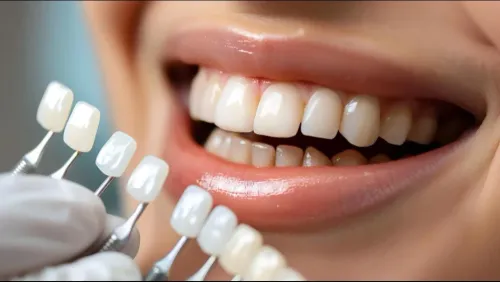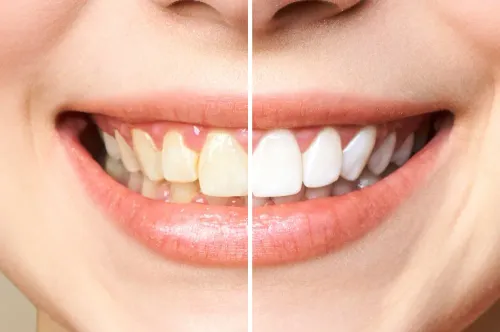
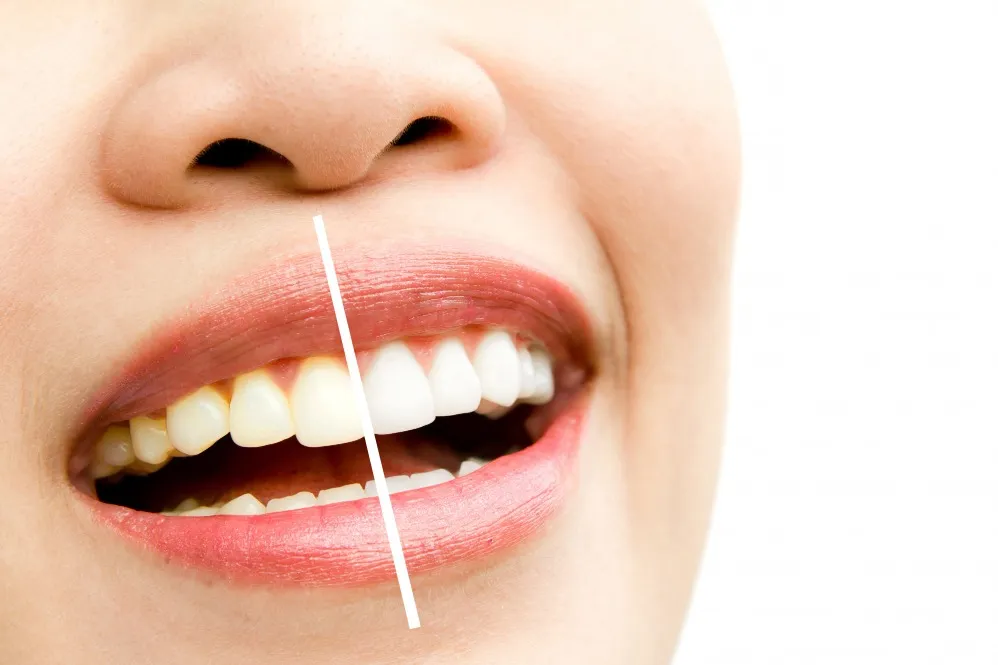
Tooth colour changes naturally over time. Tea, coffee, tobacco, strongly coloured foods, ageing and certain dental conditions can all affect the appearance of a smile. Dental bleaching uses specially formulated whitening agents to reduce suitable types of discolouration and make natural teeth appear lighter.
Before arranging dental bleaching in Mumbai, it helps to understand what the procedure can achieve, which stains may respond and why a dental examination is important.
Bleaching Does Not Work on Every Material
Whitening agents primarily affect natural tooth structure. They do not lighten existing crowns, veneers, tooth-coloured fillings or bridges. If these restorations are visible when smiling, bleaching the surrounding teeth could create a colour mismatch.
Discolouration may be broadly described as extrinsic or intrinsic. Extrinsic stains develop mainly on the outer surface and may improve with professional cleaning. Intrinsic colour changes occur within the tooth and can require bleaching, restorative treatment or another approach.
A dentist first identifies the likely cause instead of assuming that every darkened tooth needs the same procedure.
What Happens Before Treatment
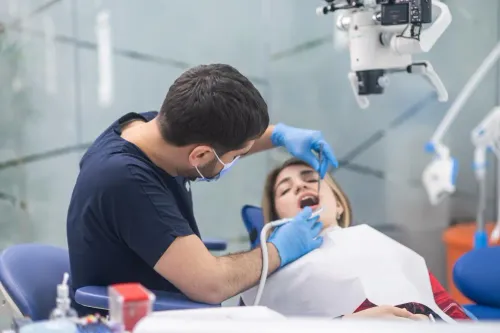
A pre-whitening examination may identify:
- Tooth decay
- Gum inflammation
- Cracked or worn enamel
- Exposed root surfaces
- Existing tooth sensitivity
- Leaking or discoloured restorations
- A single tooth that has darkened after injury or root canal treatment
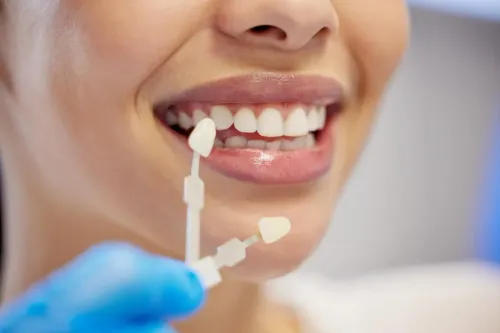
These findings matter because untreated dental problems may increase discomfort or change the recommended treatment. Professional guidance also helps establish a realistic shade goal based on the starting colour and condition of the teeth.
The dentist should check that the teeth and gums are healthy enough for whitening before treatment begins, as explained in the NHS overview of teeth whitening.
Common Professional Bleaching Approaches
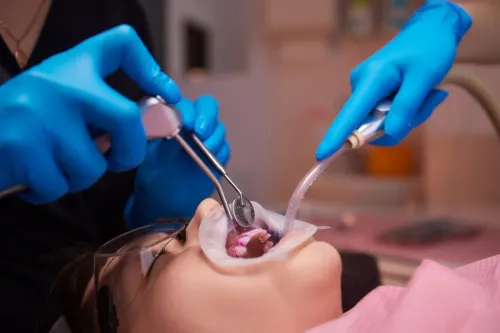
In-clinic bleaching uses a whitening material applied under controlled conditions while the gums and nearby soft tissues are protected. Depending on the system, the appointment may involve one or more application cycles.
Dentist-supervised home whitening uses custom-fitted trays with a prescribed bleaching gel. Patients wear the trays according to a specific schedule, allowing the shade to change progressively.
Neither method is automatically better for everyone. The choice depends on sensitivity, lifestyle, the type of staining, the desired timeline and the dentist’s findings.
Sensitivity Can Occur
Temporary tooth sensitivity is one of the most common concerns during bleaching. Some patients notice discomfort when consuming cold drinks or breathing through the mouth. Gum irritation can also occur if whitening gel contacts the soft tissues.
A dentist may respond by adjusting the concentration, reducing treatment frequency, shortening application time or recommending a desensitising product. Patients should not increase the amount or duration independently in an attempt to accelerate results.
Bleaching Is Different From Cleaning
Professional cleaning removes plaque, hardened deposits and certain surface stains. Bleaching changes the appearance of colour within suitable natural teeth. Some patients are satisfied with the improvement achieved through cleaning alone, while others choose bleaching afterwards.
This distinction prevents unnecessary treatment and supports a more predictable result.
Maintaining the Result in Mumbai
Frequent tea or coffee consumption, tobacco use and heavily pigmented foods can contribute to renewed staining. Rinsing with water after coloured beverages, maintaining daily brushing and interdental cleaning, and attending recommended dental reviews can help preserve the result.
Mumbai’s varied food culture does not require avoiding every coloured food. Consistent oral hygiene and sensible habits are more practical than restrictive diets.
Dental bleaching in Mumbai should be approached as a professionally supervised cosmetic dental procedure, not a permanent colour change or a substitute for oral healthcare. The safest starting point is an examination that identifies the cause of discolouration and confirms whether bleaching is suitable.
Keywords