A missing tooth can affect chewing, speech, appearance and the way nearby teeth share biting forces. Dental implants are one option for replacing missing teeth, but successful treatment involves more than placing a metal post in the jaw.
Patients researching dental implants in Mumbai should understand the complete process, including assessment, healing, restoration and long-term maintenance.
What a Dental Implant Replaces
A dental implant is placed in the jawbone to support a dental restoration. Once stable, it may carry an individual crown, support a bridge or help retain certain types of dentures.
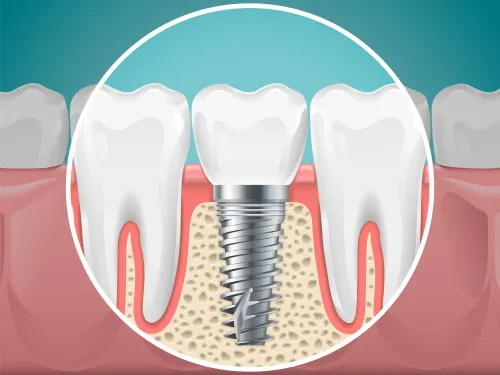
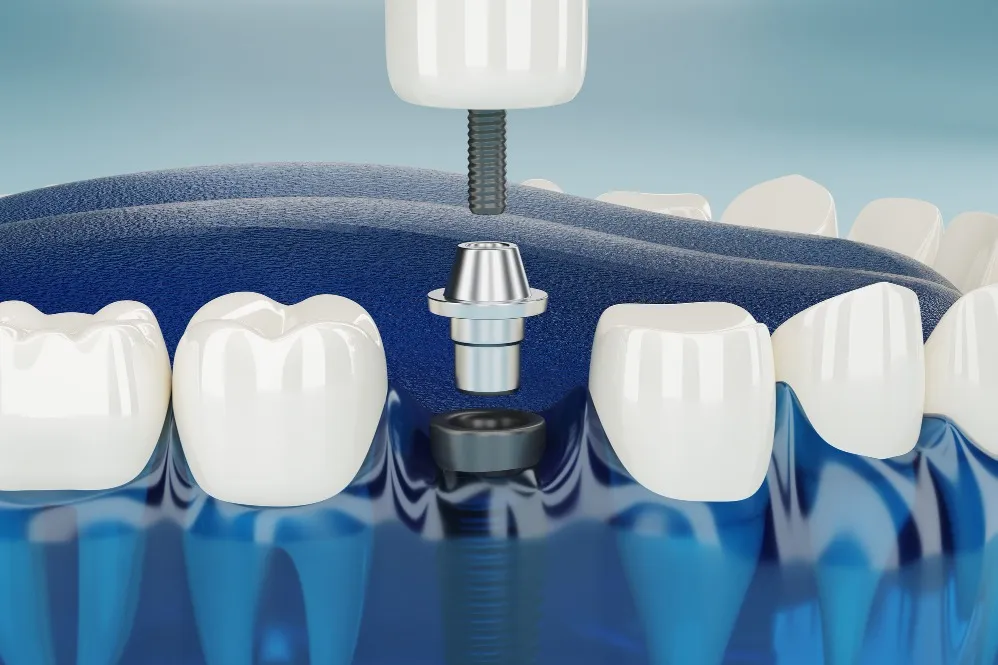
The implant itself is not the visible tooth. A typical implant restoration includes:
- The implant placed within the bone
- A connecting component called an abutment
- A crown, bridge or denture that forms the visible replacement
The exact design depends on how many teeth are missing, the condition of the remaining teeth and the amount of available bone.
Assessment Determines Suitability
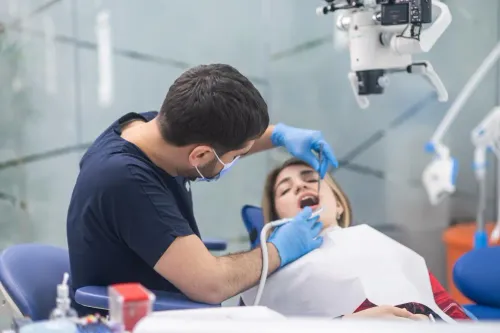
Implant planning usually begins with a detailed dental and medical history. The dentist evaluates the gums, bite, remaining teeth and proposed implant site. Dental imaging may be needed to study bone dimensions and nearby anatomical structures.
Important considerations include:
- Active gum disease
- Oral hygiene
- Smoking or tobacco use
- Diabetes and its control
- Previous radiation treatment
- Medicines affecting bone or healing
- Habitual teeth grinding
- Bone quantity and quality
- Expectations about appearance and treatment time
Being told that an implant is possible does not mean it should be placed immediately. Existing infection and gum inflammation generally need attention first.
Bone Grafting May Be Considered
After a tooth is lost, the surrounding bone can reduce in volume. If the remaining bone cannot support the planned implant, grafting may be discussed.
The procedure can sometimes be performed at implant placement, while other situations require grafting and healing before the implant is inserted. Upper back-tooth sites may occasionally require a sinus-related augmentation procedure when available bone is limited.
Not every patient needs grafting, and only an examination with appropriate imaging can establish whether it is necessary.
Placement and Healing
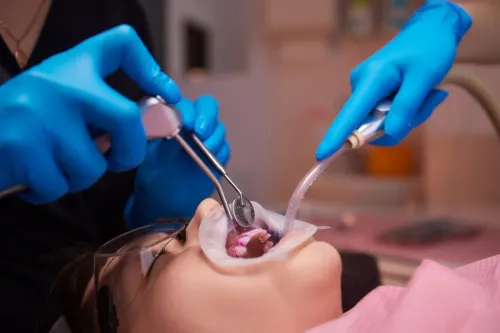
Implant placement is commonly performed with local anaesthesia. The dentist prepares the site, inserts the implant and protects the area while healing begins.
During the healing phase, bone gradually integrates with the implant surface. Treatment time varies according to the site, bone condition, grafting requirements, overall health and loading plan.
A temporary tooth may be possible in selected cases, but immediate restoration is not appropriate for everyone. Protecting healing tissue can be more important than completing the visible tooth quickly.
Creating the Final Restoration
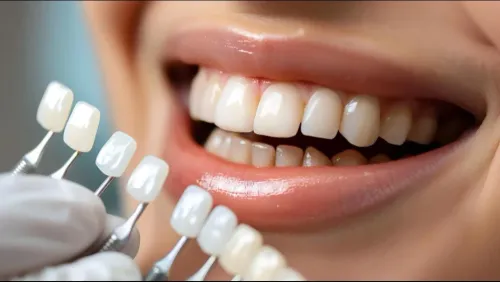
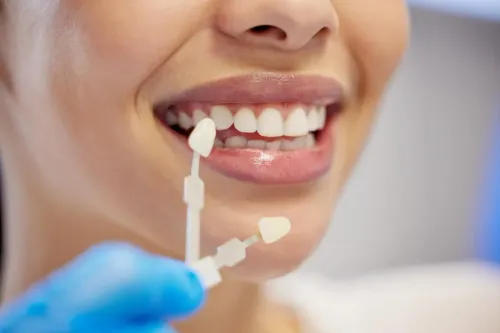
Once the implant is ready to support a restoration, scans or impressions are used to plan the crown, bridge or denture. The dentist considers shade, shape, bite contacts and access for cleaning.
A natural appearance matters, particularly in the front of the mouth, but the restoration must also function predictably. Excessive bite pressure or an inaccessible design can complicate maintenance.
Implants Still Need Daily Care
Dental implants cannot develop tooth decay, but the surrounding gums and bone can become inflamed. Patients need to clean around the restoration carefully and attend periodic reviews.
Long-term care may include:
- Twice-daily brushing
- Interdental brushes or floss suited to the restoration
- Professional maintenance
- Monitoring of the bite
- Management of grinding
- Tobacco cessation support
- Prompt attention to bleeding, swelling or mobility
For patients considering dental implants in Mumbai, travel time, number of appointments and access to follow-up care are practical planning factors. A clear treatment sequence is more valuable than a rushed promise. Proper assessment, careful placement, a well-designed restoration and continuing maintenance all contribute to a dependable outcome.
Keywords