Veneers can change the visible shape, colour and proportions of selected teeth, but they are not the only way to improve a smile. Whitening, orthodontic treatment, direct composite bonding and crowns may address similar concerns through very different methods.
Anyone considering dental veneers in Mumbai should compare these alternatives according to the dental problem, the amount of healthy tooth structure involved and the maintenance each option requires.
What Veneers Can Address
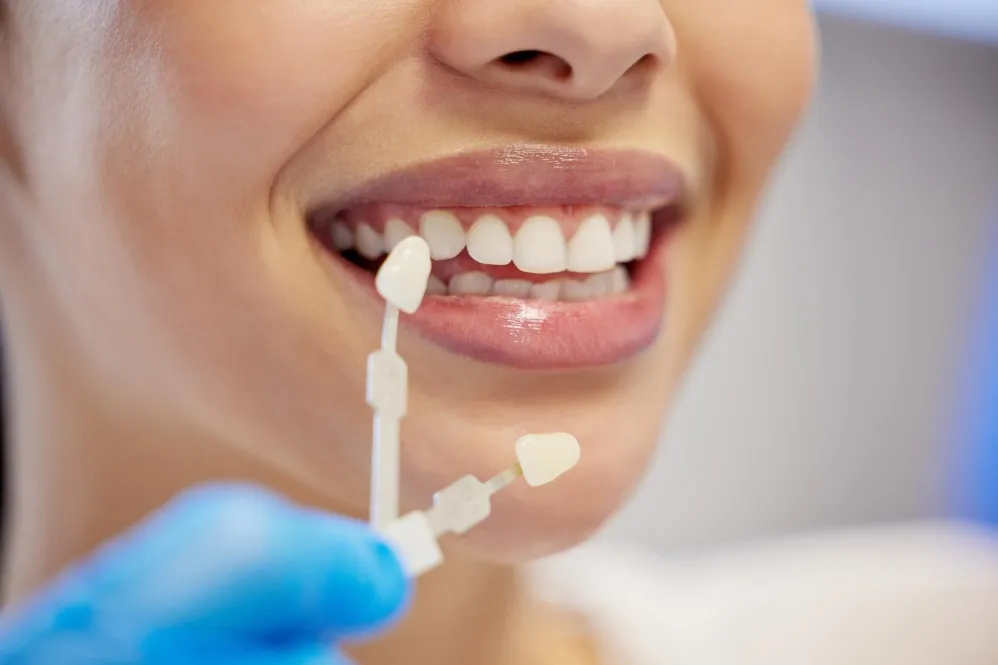
A veneer is a thin restoration placed over the front surface of a tooth. It may be considered for:
- Persistent discolouration
- Minor chips or surface defects
- Small spaces between selected teeth
- Uneven tooth lengths
- Mild shape irregularities
- Worn or poorly proportioned front teeth
Veneers do not treat active decay, gum disease or an unhealthy bite. These concerns must be assessed before cosmetic treatment begins.
Veneers or Teeth Whitening
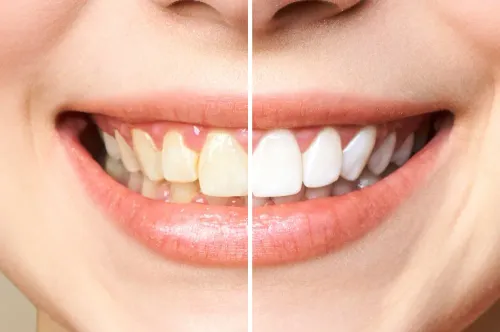
Whitening is often the more conservative choice when the main concern is generalised tooth colour. It can lighten suitable natural teeth without changing their shape.
Veneers may be considered when discolouration does not respond adequately to bleaching or when colour and shape need correction together. Unlike natural teeth, veneer materials do not whiten later. Patients planning both treatments are often advised to discuss sequencing so the final shade can be coordinated.
Veneers or Composite Bonding
Composite bonding uses a tooth-coloured resin applied directly to the tooth. It can be useful for small chips, limited gaps and subtle contour changes. Treatment may require little or no removal of enamel in suitable cases.
Porcelain or ceramic veneers are fabricated outside the mouth and may offer different optical qualities and stain resistance. However, they generally involve a more involved process and may require alteration of the tooth surface.
The better choice depends on the size of the correction, bite, existing enamel, budget and expectations about maintenance.
Veneers or Orthodontic Treatment
Veneers can sometimes make mildly irregular teeth look more even, but they do not physically move teeth or correct the underlying bite. Orthodontic treatment may be preferable when crowding, rotations or spacing are the primary concern.
Some patients benefit from a combined approach. Minor tooth movement can create a healthier foundation, allowing any later cosmetic restorations to remain more conservative.
Veneers or Crowns
A veneer covers mainly the visible front surface, whereas a crown covers much more of the tooth. Crowns may be appropriate when teeth are extensively weakened, heavily restored or fractured.
Using a crown solely for a minor cosmetic concern may remove more tooth structure than necessary. Conversely, placing a veneer on a severely damaged tooth may not provide adequate protection. Clinical examination determines which restoration is structurally appropriate.
Questions to Ask Before Deciding
Before proceeding, patients should understand:
- What dental condition is the treatment correcting?
- Are there less invasive alternatives?
- How much enamel will be altered?
- How will the proposed shade look in natural light?
- Will the bite place excessive force on the veneers?
- What maintenance or replacement may be needed?
- Can a preview or trial design be provided?
At IRIDIA DENTAL, veneer planning can begin with an assessment of tooth health, facial proportions, bite and realistic cosmetic goals rather than selecting a standard smile design.
Mumbai patients frequently request noticeable improvement that still looks natural in professional and social settings. The most convincing results usually respect individual tooth proportions instead of making every tooth identical.
Dental veneers in Mumbai may be valuable for carefully selected concerns, but they should be compared with whitening, bonding, orthodontics and crowns first. A treatment that preserves healthy tooth structure while addressing the actual problem is generally the more thoughtful choice.
Keywords