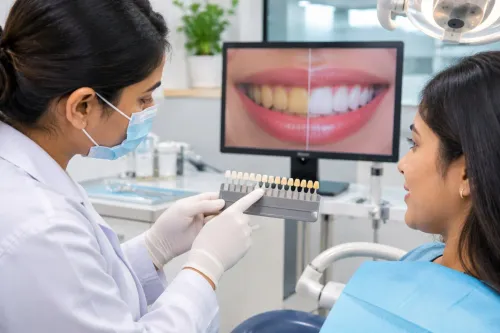
Dental treatment feels uncomfortable for different reasons: impression trays trigger gagging, appointments run long, bite adjustments are repeated, or uncertainty makes anxiety worse. Understanding which digital tools address each problem will help you compare treatment plans, ask better questions and recognise when conventional methods remain the safer choice.
Key takeaways
- Ask how digital scans reduce retakes, chair time, and unnecessary radiation.
- Confirm whether your dentist uses 3D planning for implants and complex bite treatment.
- Remember that anaesthesia, gentle technique, and clear pain control affect comfort most.
- Choose a technology-driven dentist who explains findings and shares your treatment plan.
What happens during a digital dental visit?
The practical digital dentistry benefits in Mumbai come from replacing messy steps with electronic records that can be reviewed, measured and shared quickly. A digital visit may include:
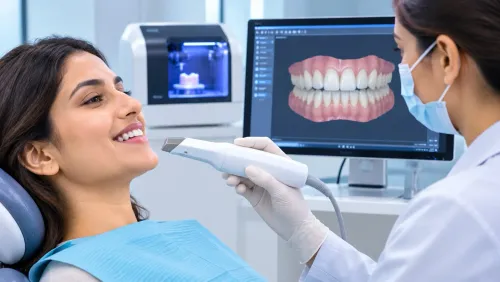
- An intraoral scanner that maps teeth and gums
- Digital radiographs or a three-dimensional cone-beam CT scan when imaging is justified
- Digital photographs, electronic treatment records and CAD/CAM design
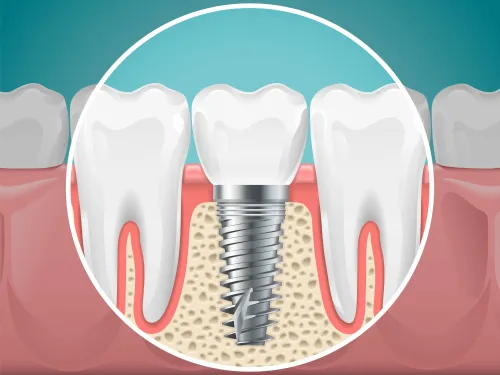
- Guided implant planning when implant position needs precise control
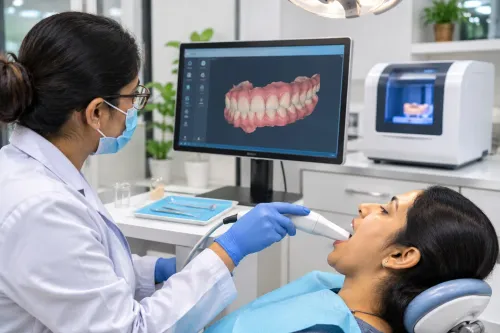
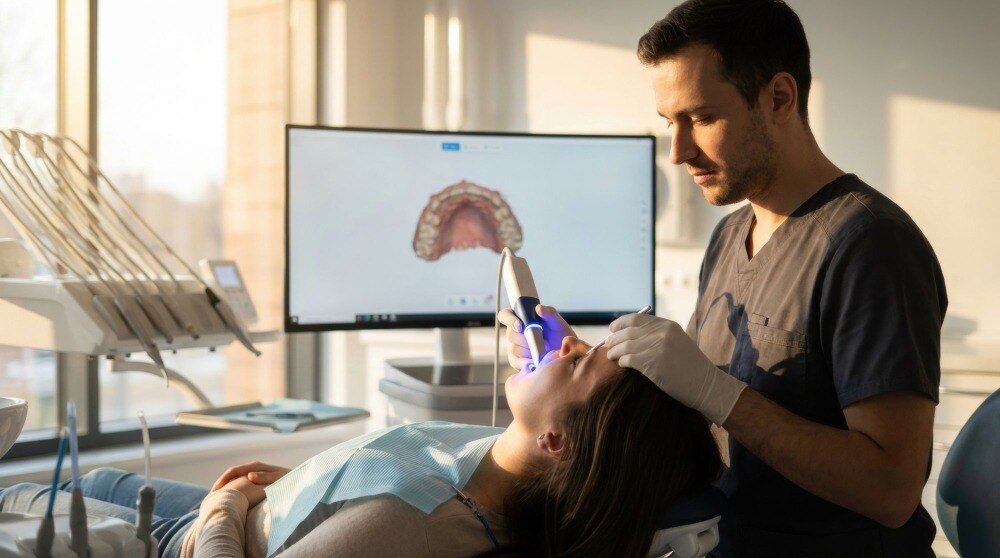
At the appointment, the dentist examines your mouth, dries and isolates the teeth, then moves a small scanner wand over each surface. The software builds a three-dimensional model on screen; scanning takes minutes, although saliva, blood, reflective fillings or limited mouth opening can require a pause or a rescan.
The model supports planning and communication, but it does not replace clinical judgement.
| Method | Comfort | Limits |
|---|---|---|
| Intraoral scan | No tray pressure, impression material or setting material; this reduces gagging for many patients | Full-arch scans can accumulate stitching errors, and difficult moisture control can make rescanning necessary |
| Conventional impression | Tray pressure and material in the mouth can feel bulky and trigger gagging | It remains useful when scanning is unreliable or a laboratory requires a physical impression |
An intraoral scan is usually more comfortable than a conventional impression, not automatically more accurate in every case. Ask what the scan solves, how the team will verify it and what happens if the digital workflow fails.
When digital X-rays and 3D scans improve comfort and safety
Digital radiographs appear on screen immediately, so your dentist can check positioning and exposure before you leave. That reduces waiting and some retakes, while digital sensors generally use less radiation than film. It does not justify extra images: dose depends on the sensor, settings, your size and the number of views.
| Method | Practical difference | When it helps |
|---|---|---|
| Film X-ray | Requires chemical processing; development errors can lead to retakes | When a film system is used |
| Digital X-ray | Allows immediate chairside review and image enlargement | Checking decay, bone changes or root problems with selected views |
A cone-beam CT scan adds a three-dimensional map of teeth, roots, jawbone, nerve canals and sinus boundaries. That detail helps when a two-dimensional X-ray cannot answer a specific question, such as implant clearance, an impacted tooth’s position or complex root anatomy.
Ask what decision the scan will change before consenting to CBCT. It is not a routine substitute for small dental X-rays, because its radiation dose varies with the field of view and settings.
- Choose the smallest scan area that answers the clinical question.
- Confirm that existing images will be reviewed before a new exposure.
- Ask how movement, incorrect positioning or unnecessary repeat scans will be avoided.
When comparing digital dental treatment in Mumbai, ask whether each image answers a defined diagnostic question—not whether the equipment is simply digital.
How digital planning changes fillings, crowns, implants and bite treatment
A digital plan can make fillings, crowns, implants and bite treatment more comfortable by reducing drilling, impressions, guesswork and repeat visits—not by making every procedure painless.
The dentist can review your scan, proposed tooth shape or implant position with you before treatment, but the simulation is not a promise: shade, gum healing, bite forces, material thickness and laboratory finishing can change the result.
| Treatment | What digital planning changes | Comfort benefit |
|---|---|---|
| Filling | Maps the cavity and helps design a precise restoration | Less removal of healthy tooth structure and fewer high spots |
| Crown or inlay | CAD/CAM designs and mills the restoration from the scan | A shorter temporary-restoration period; same-day fitting is possible, not guaranteed |
| Implant | Combines scans with guided implant planning | A planned position can reduce uncertainty and unnecessary tissue handling |
| Bite treatment | Records tooth contacts and models a splint, crown or orthodontic movement | Fewer adjustment visits and a clearer way to identify pressure points |
A guided implant procedure still depends on bone quality, surgical skill and the need to manage infection or gum tissue. CAD/CAM crowns also need shade checks, gum control, bite adjustment and inspection; milling or printing can require another appointment.
Ask what problem the technology solves and what happens if the scan, guide or digital workflow fails. That practical explanation matters more than the label “digital” when you want comfortable dental treatment in Mumbai.
What digital tools cannot do—and what controls pain
A digital scan can remove tray pressure, impression material and some gagging, while immediate images can reduce waiting and repeat visits. Those are real digital dentistry benefits in Mumbai, but the word “digital” does not numb tissue or prevent every mistake.
A scan can be incomplete, a design can be inaccurate, and a restoration can still need adjustment.
Pain control still depends on clinical basics:
1. Ask how the area will be numbed. Topical anaesthetic, correct needle placement, slow injection and enough time for the anaesthetic to work matter more than whether delivery is computer-controlled. Computer-controlled systems regulate flow and pressure, but studies have not shown a consistent, large pain advantage over a skilled conventional injection.
2. Ask what happens if scanning, imaging or guided planning fails. The dentist needs a safe backup, such as a physical impression, new image or conventional procedure—not a rushed appointment.
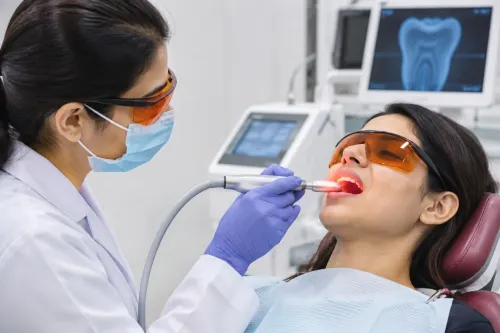
3. Allow for the treatment itself. A laser can reduce vibration or bleeding in selected soft-tissue procedures, but many fillings still require a rotary handpiece. Digital planning also cannot replace good isolation, infection control, operator skill or a correctly fitted restoration.
4. Treat discomfort after treatment as part of the plan. A crown, implant or bite adjustment may feel wrong even when the design looked precise; review and maintenance control that problem.
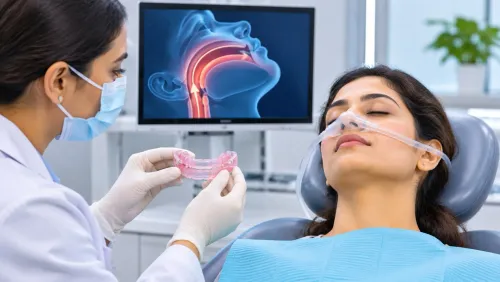
For sleep concerns, a scan or CBCT shows anatomy but cannot diagnose obstructive sleep apnoea. That requires an appropriate sleep evaluation and, when indicated, a validated home test or polysomnography.
How to assess a technology-driven dentist in Mumbai
Choosing a technology-driven dentist in Mumbai means testing the clinical process, not counting screens in the operatory. Ask which problem digital dental treatment in Mumbai solves for you, what happens if a scan is incomplete, and who checks the plan before treatment.
Comfortable dental treatment in Mumbai still depends on anaesthesia, gentle technique, isolation, appointment length and follow-up.
Ask these questions before agreeing:
- Will you explain the scan, photographs or proposed design on screen, and identify what remains uncertain?
- Which radiographs or CBCT views are necessary, and what diagnostic question does each answer?
- For my child, how will you use tell-show-do, age-appropriate explanations and staged visits if scanning fails?
- For anxiety, can we agree on stop signals, breaks, topical or local anaesthetic, and a shorter first appointment?
- For snoring, pauses in breathing or daytime sleepiness, will you arrange a sleep evaluation rather than diagnose obstructive sleep apnoea from a scan alone?
- Who maintains the restoration, and what is the alternative if the digital workflow or laboratory result is unsuitable?
| Question | A sound answer | Warning sign |
|---|---|---|
| Children | Scanner use supports behaviour guidance and age-suitable care | Technology replaces tell-show-do or anaesthesia |
| Anxiety | Stop signal, breaks and a documented pain plan | “Digital” is presented as painless |
| Airway or sleep | Sleep evaluation; polysomnography or validated home testing when indicated | CBCT alone is called a diagnosis |
| Imaging | Limited field of view and a stated clinical purpose | Routine CBCT for every check-up |
At IRIDIA DENTAL, put these questions to the clinician, not only the coordinator; the answers reveal whether technology serves your care.
Related service
Technology-Driven Services We integrate digital innovation at every step—from diagnosis to treatment—to make your dental visits smoother, faster, and more precise. View service → |
Frequently asked questions
What happens during a digital dental visit in Mumbai?
Your dentist may capture digital X-rays, intraoral images, scans, and electronic records, then review the findings with you on a screen.
When do digital X-rays and 3D scans improve comfort and safety?
Digital X-rays can reduce retakes and waiting, while 3D scans add detailed views for implants, impacted teeth, bone, and complex treatment planning.
How does digital planning change fillings, crowns, implants, and bite treatment?
It helps measure teeth, design restorations, check fit, guide implant placement, and compare bite changes before treatment begins.
What controls pain when digital tools cannot?
Local anaesthesia, gentle technique, rubber dam isolation, short appointments, clear communication, and a tailored pain-control plan determine comfort.
Keywords