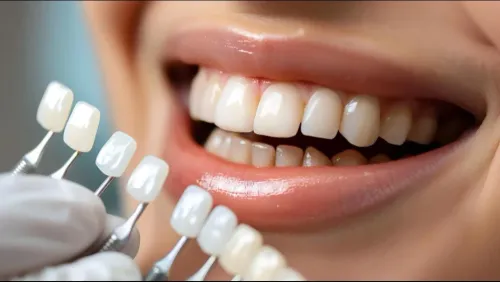
Whitening toothpastes, strips, gels and online kits are widely available, which can make professional treatment seem unnecessary. However, these products vary in their active ingredients, concentration, fit and suitability for an individual mouth.
Comparing store-bought products with professional teeth whitening in Mumbai is less about choosing the strongest option and more about selecting an approach that addresses the cause of discolouration safely.
Begin With the Type of Staining
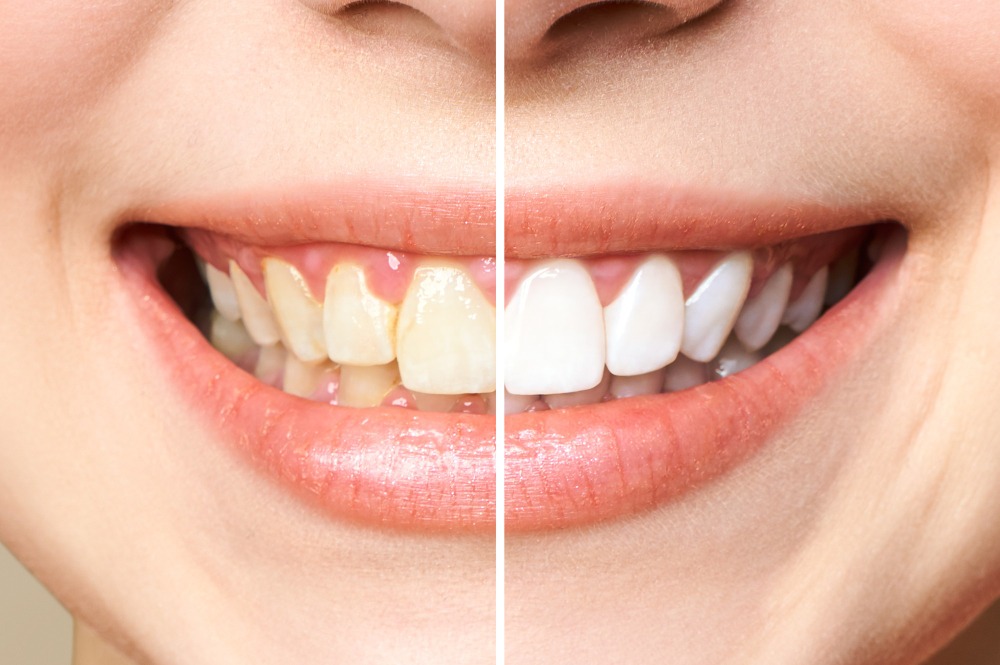
Surface staining from tea, coffee, tobacco or certain foods may improve through cleaning or products designed to remove external stains. Colour within the tooth responds differently.
A single dark tooth can indicate previous trauma, loss of vitality or another dental condition. White, brown or patchy areas may also require diagnosis rather than general bleaching.
Professional evaluation helps determine whether whitening is appropriate or whether cleaning, restoration or investigation is needed first.
Whitening Toothpaste
Whitening toothpaste usually works mainly by removing surface stains through polishing ingredients. It may help maintain a cleaner appearance but generally does not produce the same internal colour change as peroxide-based bleaching.
Overly abrasive products or aggressive brushing can contribute to surface wear and sensitivity. A toothpaste should therefore be selected for oral-health suitability, not simply because it promises rapid whitening.
Whitening Strips and Generic Trays
Commercial strips and trays may use a bleaching agent, but their fit is not customised. Uneven contact can lead to inconsistent results, and material may reach the gums.
They also cannot account for cavities, exposed roots, cracks or existing restorations. A product that is acceptable for one person may cause avoidable discomfort for another.
Dentist-Supervised Home Whitening
This approach typically uses custom-made trays and a dentist-selected gel. The close fit helps control where the material sits, while professional instructions guide the amount, frequency and duration of use.
It offers gradual shade improvement and may suit patients who prefer to whiten at home. Follow-up allows the plan to be modified if sensitivity develops.
In-Clinic Whitening
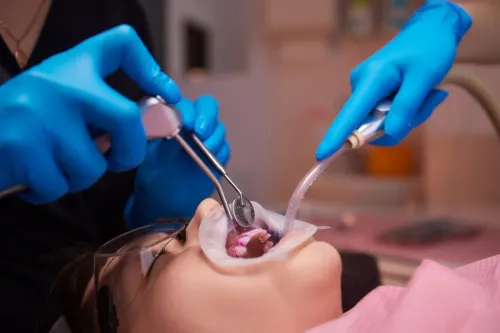
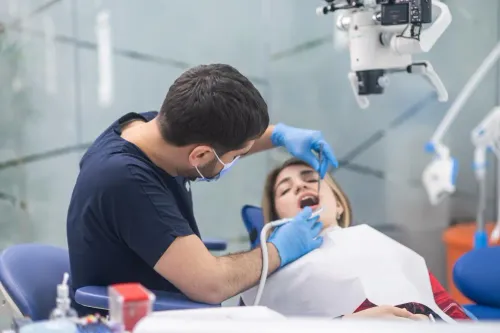
Professional in-clinic whitening is performed under controlled conditions. The gums and other soft tissues are protected before the whitening agent is applied.
This approach may produce a noticeable result within a shorter treatment period, although outcomes vary. Temporary sensitivity or gum irritation can still occur, as recognised in guidance from the American Dental Association.
Important Limitations
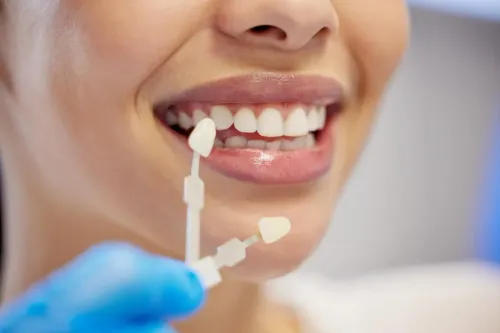
No whitening method can promise a particular shade for every patient. Results depend on the original tooth colour, stain type, enamel characteristics and previous dental work.
Whitening will not change the shade of:
- Crowns
- Veneers
- Composite fillings
- Bridges
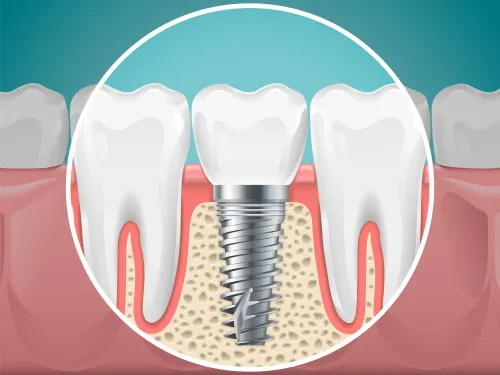
- Implant crowns
- Dentures
Visible restorations may need separate evaluation after the desired natural-tooth shade has stabilised.
How to Compare Options Sensibly
Ask these questions before purchasing or scheduling treatment:
- Has the cause of discolouration been identified?
- Are the teeth and gums healthy?
- Does the product contain a clearly disclosed ingredient?
- How will the gums be protected?
- What should be done if sensitivity develops?
- Will existing restorations become mismatched?
- Is the expected result realistic?
At IRIDIA DENTAL, whitening can be planned after examining oral health, existing restorations and the patient’s preferred level of change.
For people seeking professional teeth whitening in Mumbai, predictable guidance is often more valuable than maximum strength. A controlled plan can reduce avoidable irritation, manage sensitivity and ensure that a cosmetic concern is not masking a dental problem.
Keywords