Loud snoring is often treated as an inconvenience, but it can sometimes point to obstructive sleep apnea. This sleep-related breathing disorder causes the airway to narrow or close repeatedly during sleep, interrupting normal breathing and reducing sleep quality.
People exploring sleep apnea treatment in Mumbai should begin with an accurate diagnosis rather than relying only on snoring apps, wearable devices, or observations from family members. Not everyone who snores has sleep apnea, and not everyone with sleep apnea snores noticeably.
Common Signs That Deserve Attention
Possible symptoms may appear during sleep or throughout the day. They can include:
- Loud, persistent snoring
- Pauses in breathing noticed by another person
- Choking or gasping during sleep
- Morning headaches
- Dry mouth after waking
- Daytime sleepiness
- Difficulty concentrating
- Irritability or mood changes
- Unrefreshing sleep despite spending enough time in bed
Some patients also grind their teeth or experience jaw discomfort. These findings do not confirm sleep apnea, but they may prompt a dentist to ask further questions about sleep quality.
Why Diagnosis Comes Before Dental Treatment
A dentist can screen for oral and anatomical features associated with airway obstruction, but obstructive sleep apnea requires appropriate medical evaluation. A sleep physician may recommend an overnight sleep study or another validated diagnostic test.
The assessment generally considers breathing interruptions, oxygen levels, sleep stages, body position and symptom severity. Medical history is also important because nasal obstruction, weight, jaw structure, enlarged soft tissues and certain health conditions can influence treatment planning.
Treatment Is Based on the Individual
There is no single treatment that suits every patient. Depending on the diagnosis, options may include:
- Lifestyle and sleep-position changes
- Management of nasal obstruction
- Positive airway pressure therapy
- A custom-made oral appliance
- Selected surgical procedures
- Combined treatment involving more than one approach
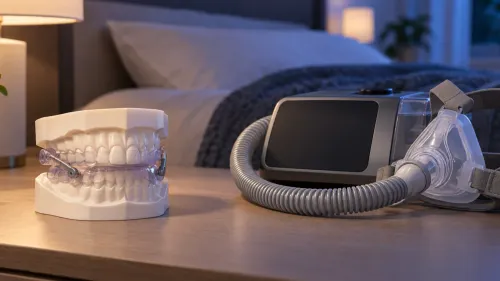
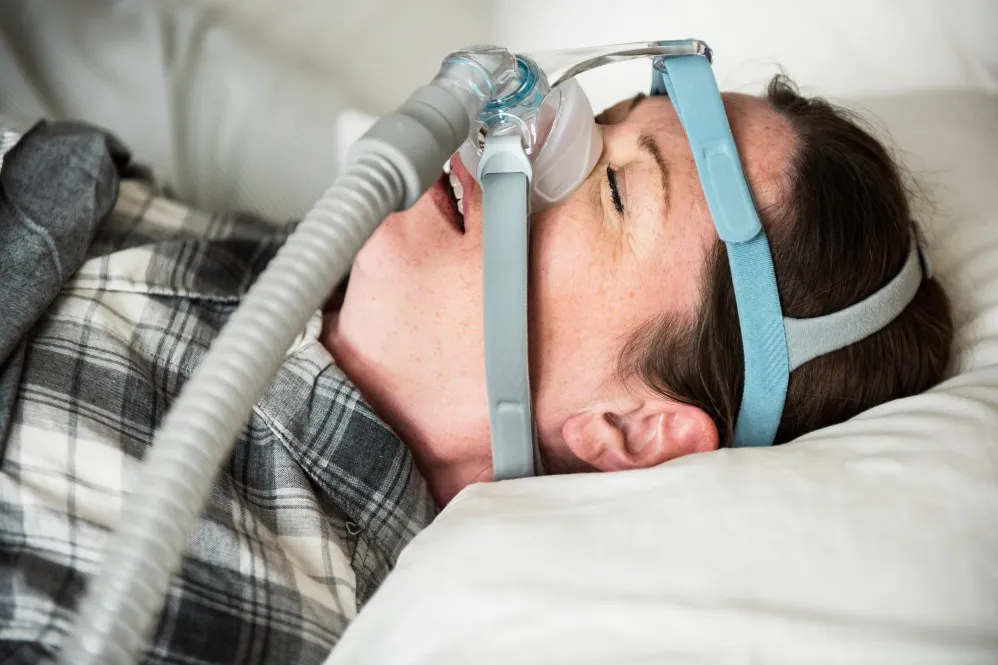
Continuous positive airway pressure, commonly called CPAP, is frequently used for obstructive sleep apnea. Some adults may be considered for oral appliance therapy, particularly when a qualified sleep physician determines that it is appropriate.
A sleep apnea oral appliance is different from a standard night guard. It is designed to hold the lower jaw in a carefully planned forward position, helping maintain space in the airway during sleep.
What Dental Evaluation Involves
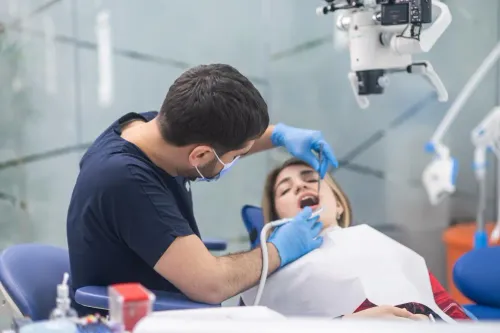
Before recommending an appliance, the dentist evaluates the teeth, gums, jaw joints, bite and available dental support. Existing gum disease, loose teeth, extensive tooth loss or active jaw-joint symptoms may affect suitability.
Digital scans or impressions may be taken when an appliance is prescribed. After fitting, the position is adjusted gradually to balance breathing benefits with comfort. Follow-up matters because possible effects can include temporary jaw soreness, increased salivation, dry mouth or gradual bite changes.
Why Follow-Up Testing Matters
Feeling better is encouraging, but symptom improvement alone does not prove that breathing interruptions are adequately controlled. A follow-up sleep assessment may be recommended to evaluate treatment effectiveness.
Patients should also attend periodic dental reviews so the appliance, bite, gums and jaw joints can be monitored. If symptoms return after weight changes, dental work or damage to the device, reassessment may be necessary.
Mumbai patients often have demanding work schedules and long daily commutes, making persistent fatigue easy to dismiss. However, recurrent gasping, witnessed breathing pauses or excessive daytime sleepiness deserves professional attention.
Effective sleep apnea treatment in Mumbai usually depends on coordination between a sleep physician and a dentist trained in oral appliance care. Timely assessment helps identify the nature of the problem and determine whether medical therapy, a dental appliance or a combined plan is appropriate.
Keywords